What HR Functions Can Be Outsourced in China?
HR Functions Outsourced in China: What to Delegate
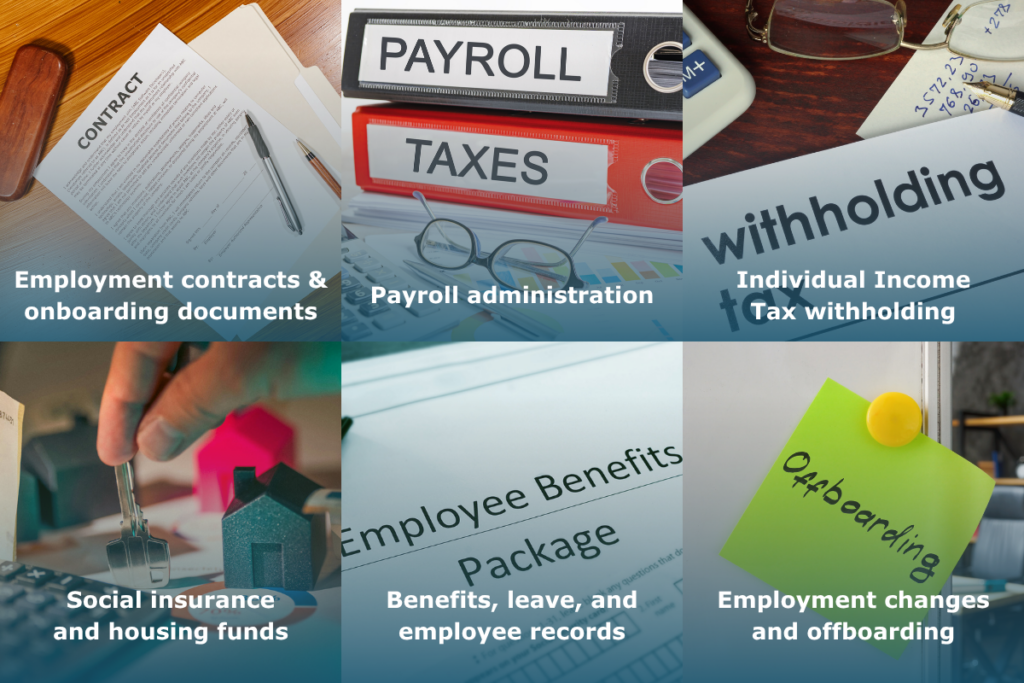
HR functions outsourced in China can include payroll, recruitment, benefits administration, employment documentation, HR operations, compliance support, onboarding, employee records, and offboarding. The right outsourcing scope depends on three factors: whether the company already has a legal entity in China, how many employees it manages, and how much local HR support the team needs.
Some companies outsource payroll only. Others need recruitment support, benefits coordination, HR administration, or employee lifecycle management. Companies without a local entity may need an Employer of Record structure instead of standard HR outsourcing. This guide explains which HR functions can be outsourced in China, what should remain under company control, and how to choose the right outsourcing model.
Quick Answer
Which HR functions can be outsourced in China?
Companies can outsource many operational HR functions in China, especially those involving local administration, payroll, statutory benefits, employee documentation, and HR coordination. Common HR functions outsourced in China include:
| HR function | What can be outsourced |
| Payroll | Salary calculation, payslips, payroll reporting, payment coordination |
| Tax administration | Individual Income Tax withholding support and payroll-related reporting |
| Social insurance and housing fund | Statutory contribution coordination and employee explanation |
| Benefits administration | Statutory and supplementary benefits coordination |
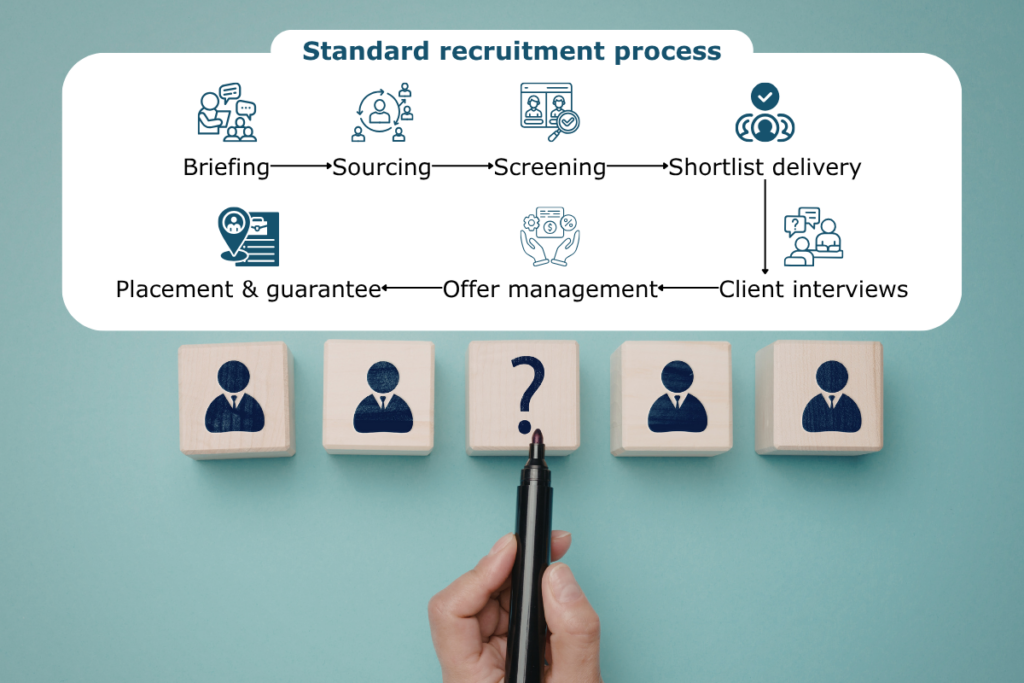
| Recruitment | Candidate sourcing, screening, interview coordination, offer support |
| Employment documentation | Contract preparation support, employee files, HR forms |
| Onboarding | Document collection, HR briefing, first-day administration |
| HR operations | Employee records, reporting, HR helpdesk, employee questions |
| Offboarding | Exit coordination, final payroll input, document follow-up |
| EOR support | Employment structure for companies without a China entity |
Strategic HR decisions should usually remain with the client company. These include workforce planning, role design, performance evaluation, management decisions, team culture, compensation strategy, and final hiring or termination decisions.
HR Outsourcing in China: A Function-by-Function Model
HR outsourcing in China works best when companies define the scope by function. This means deciding which tasks can be delegated to an external HR partner, and which decisions should remain internal.
Foreign-invested enterprises in China may recruit employees directly or entrust recruitment to professional staffing agencies, while written labor contracts are required for employed personnel. This creates a practical distinction: companies can outsource operational HR support, but they still need clarity on employment structure, responsibility, and decision-making.
A function-by-function model helps companies avoid two common problems.
- The first is outsourcing too little, which leaves headquarters handling local HR details without enough country knowledge.
- The second is outsourcing too much, which can blur accountability for employee management.
The right model should answer four questions:
| Question | Why it matters |
| Does the company have a China entity? | Determines whether standard HR outsourcing or EOR is needed |
| How many employees are in China? | Defines the level of HR administration required |
| What local expertise is missing? | Identifies which functions should be outsourced |
| Which decisions must remain internal? | Protects management control and accountability |
Payroll and Tax Administration
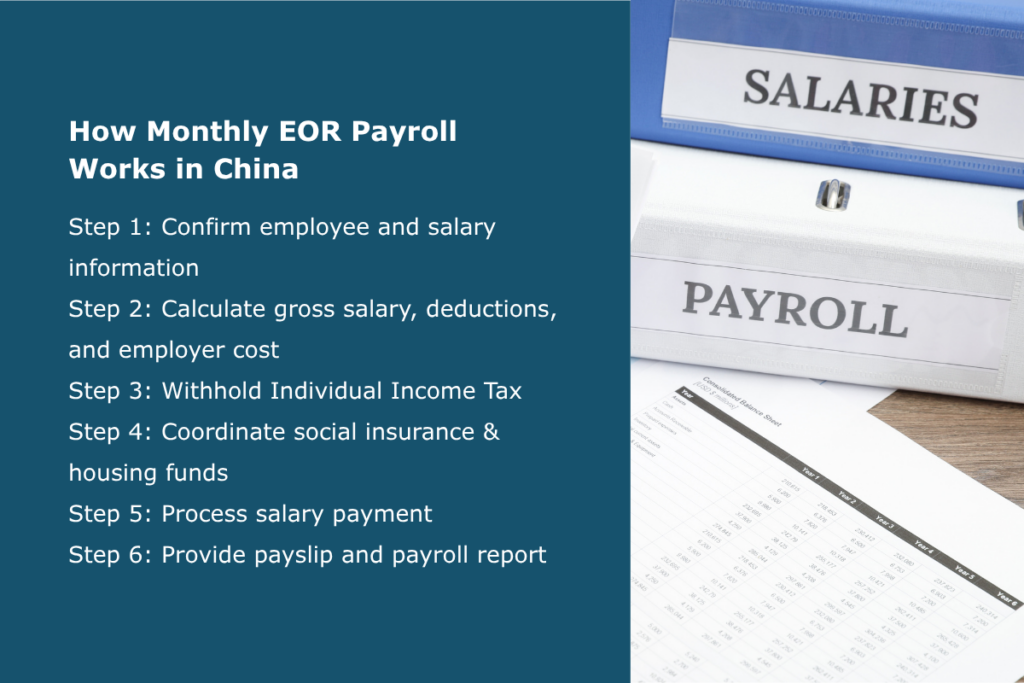
Payroll is one of the most common HR functions outsourced in China. It includes salary calculation, employee deductions, payslip preparation, payroll reporting, and coordination of salary payment.
For foreign headquarters, payroll outsourcing provides visibility without requiring the internal team to manage local payroll procedures directly. The company can still approve salary, bonuses, commissions, allowances, and reimbursements, while the HR partner supports payroll administration.
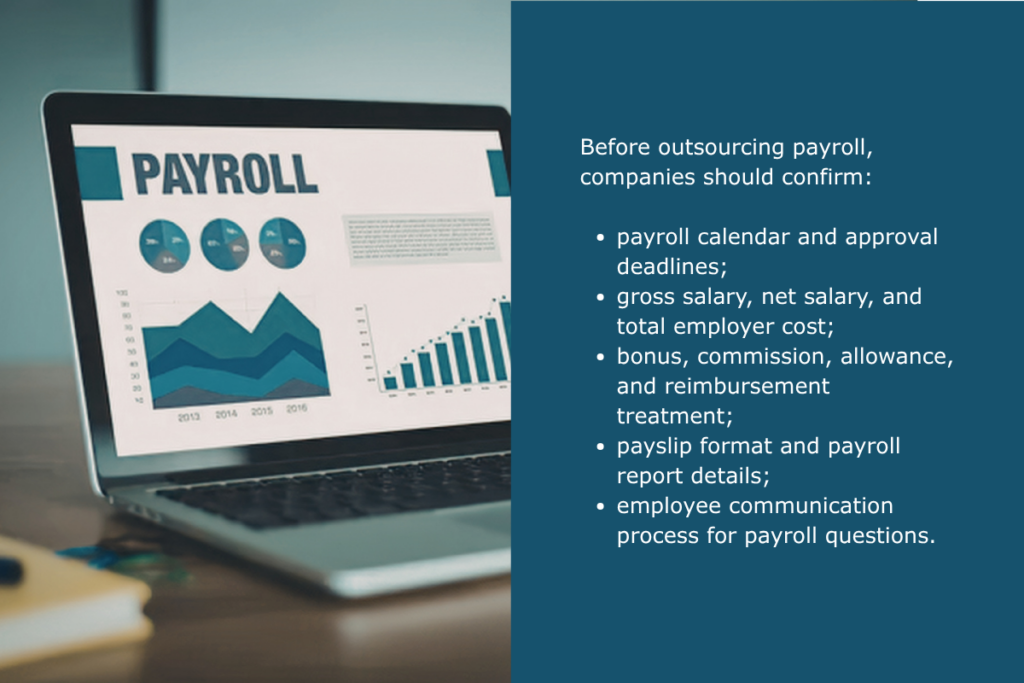 Before outsourcing payroll, companies should align with their provider on payroll deadlines, salary components, employer costs, reporting requirements, and how employee payroll questions will be handled.
Individual Income Tax, or IIT, is also part of payroll administration. China’s State Taxation Administration states that withholding agents must withhold tax in full and file relevant withholding information. For salary and wage income paid to resident individuals, tax is calculated using the cumulative withholding method and filed monthly.
Before outsourcing payroll, companies should confirm:
- payroll calendar and approval deadlines;
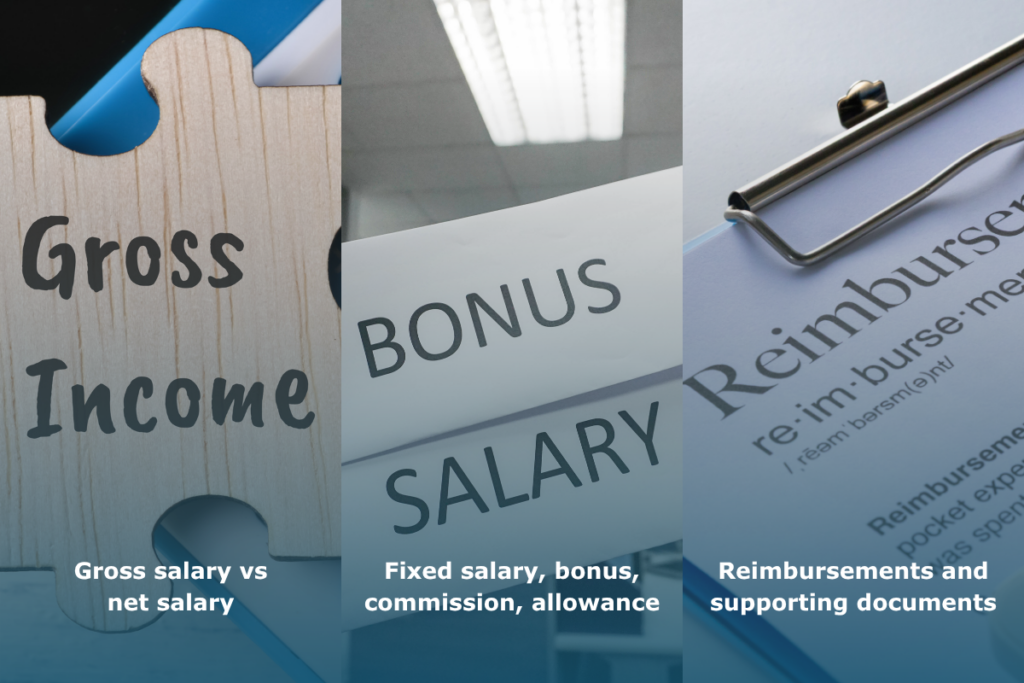
- gross salary, net salary, and total employer cost;
- bonus, commission, allowance, and reimbursement treatment;
- payslip format and payroll report details;
- employee communication process for payroll questions.
Payroll outsourcing is especially relevant for companies that already have a China entity but need local payroll expertise and reporting support.
Social Insurance, Housing Fund, and Benefits Administration
Statutory benefits administration is another important outsourcing area. In China, HR teams often coordinate social insurance, housing fund, and related employee benefits.
These items affect both compliance and employee experience. Employees need to understand deductions, contributions, and benefits. Headquarters need to understand total employment cost and monthly reporting.
The labor contract guidance for foreign-invested enterprises notes that contracts should include items such as labor remuneration, social insurance, housing provident fund, working hours, rest and holidays, labor protection, and working conditions. This shows why benefits administration should relate to payroll, contracts, and employee records.
Companies may outsource benefits administration when they need help with:
- statutory contribution coordination;
- benefits enrollment or update processes;
- employee explanation in Chinese;
- monthly benefits reporting;
- coordination during onboarding, role changes, or offboarding.
This function is especially useful when employees are based in different cities, as local contribution practices and administration requirements may vary.
Recruitment and Hiring Support
Recruitment can also be outsourced in China. This may include candidate sourcing, screening, interview coordination, salary benchmarking, offering support, and local talent market advice.
Outsourcing recruitment makes sense when foreign companies need access to local candidates but do not have a China-based HR team. It can also help when the company is hiring its first employee, building a small local team, or recruiting for sales, sourcing, operations, quality, technical, or management roles.
Recruitment support does not remove the company’s decision-making role. The client should still define the role, approve the candidate’s profile, conduct final interviews, and make the hiring decision.
A good recruitment partner should help clarify:
- whether the target profile is realistic in the local market;
- what salary range is competitive;
- which recruitment channels are suitable;
- how long the hiring process may take;
- what onboarding support is needed after offering acceptance.
Recruitment works best when it is connected to the company’s broader China plan, not treated as a standalone hiring task.
Employment Contracts and HR Documentation
Employment documentation is a core HR function that can be supported externally. This may include contract preparation support, employee information collection, HR forms, employee files, policy acknowledgments, role-change documents, and offboarding documents.
China’s Labor Contract Law states that a written labor contract should be concluded to establish a labor relationship, and if no written contract is concluded when the labor relationship is established, it should be concluded within one month from the start of employment.
For foreign companies, documentation support helps reduce confusion between headquarters, local HR, and employees. It also helps ensure that employment records match the employee’s role, compensation, working location, and employment arrangement.
Companies should confirm who prepares the documents, who reviews them, who explains them to the employee, and how records are stored.
Employee Lifecycle Operations
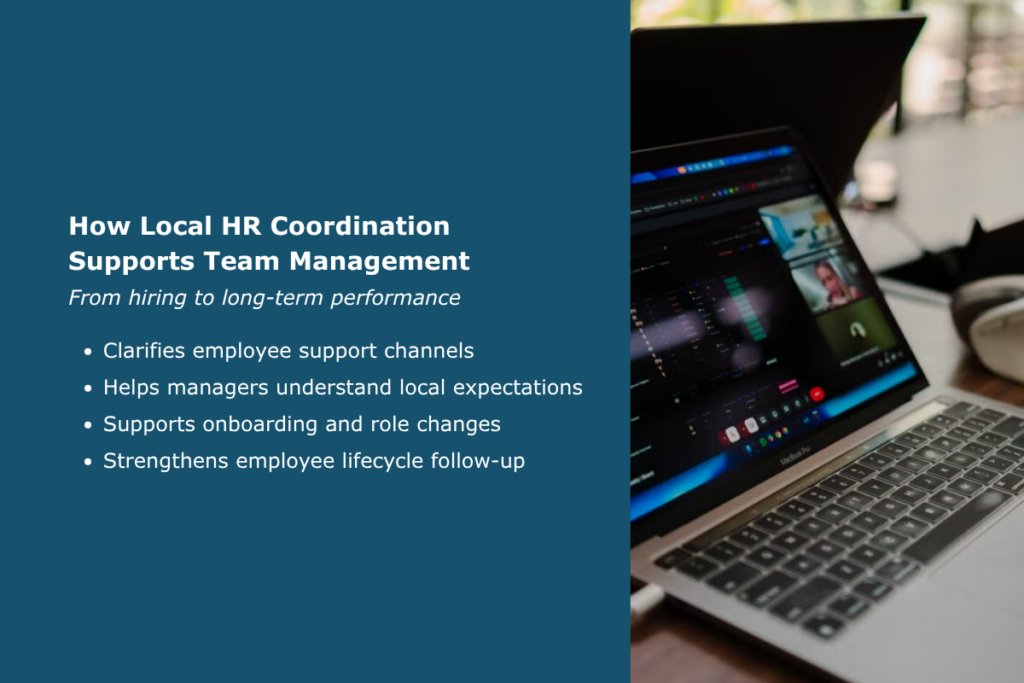
HR outsourcing can also cover employee lifecycle operations. This includes onboarding, probation follow-up, salary updates, role changes, leave administration, employee questions, and offboarding coordination.
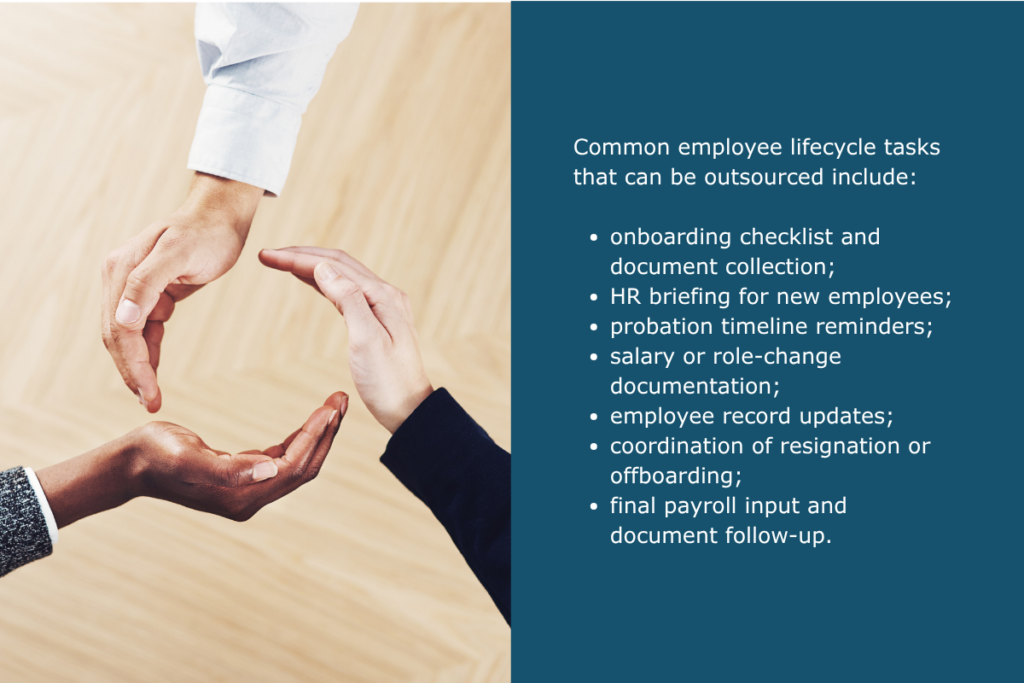 HR outsourcing can support recurring employee lifecycle administration, from onboarding and document management to role changes, offboarding, and final payroll coordination.
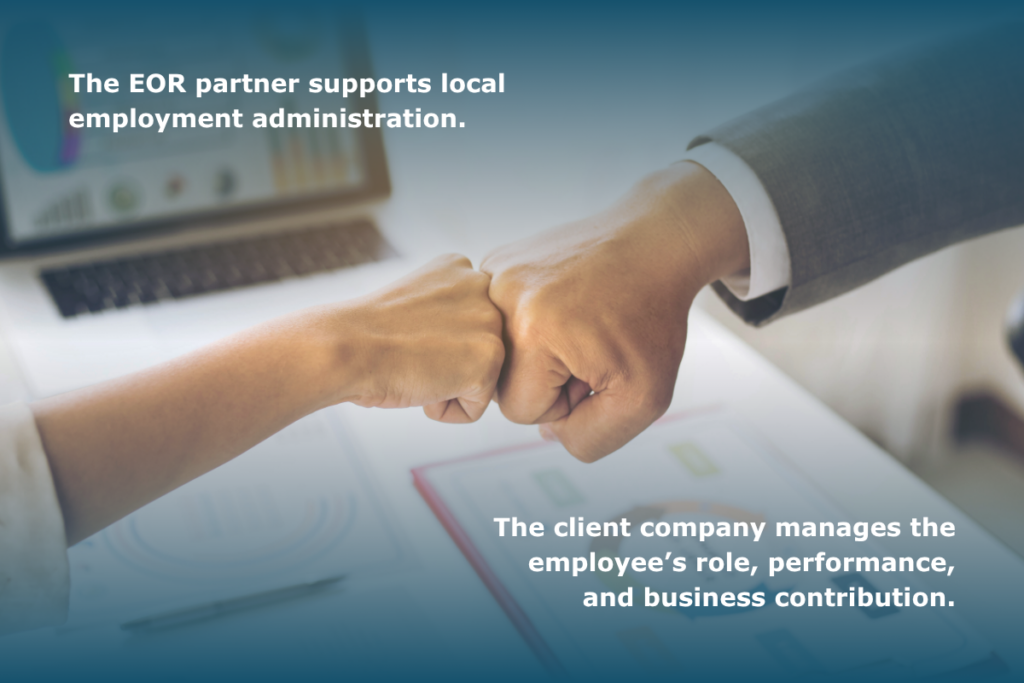
This function becomes important when the employee is based in China but reports to a manager overseas. The manager may control work priorities, while the HR partner supports local employment administration.
Common lifecycle tasks that can be outsourced include:
- onboarding checklist and document collection;
- HR briefing for new employees;
- probation timeline reminders;
- salary or role-change documentation;
- employee record updates;
- coordination of resignation or offboarding;
- final payroll input and document follow-up.
This support helps create a more structured experience for employees and gives headquarters better visibility during the employment period.
HR Compliance Support
HR compliance support can also be outsourced, especially when the company needs local guidance on employment procedures, documents, payroll, benefits, and employee lifecycle matters.
This does not mean the HR partner makes all employment decisions for the company. The client still decides business needs, role expectations, performance standards, and internal policy direction. The HR partner supports local interpretation, process coordination, documentation, and risk awareness.
HR compliance support is useful when companies need help with:
- understanding local employment procedures;
- reviewing HR documentation;
- coordinating payroll and benefits with employee records;
- handling HR questions from China-based employees;
- preparing for onboarding, changes, or exit processes;
- escalating complex HR matters for specialist review.
A strong outsourcing partner should be clear about what it can support directly and when legal or tax advice may be required.
What HR Functions Should Stay Internal?
Some HR functions should remain under company control because they define business direction, team performance, and management accountability. These usually include:
| HR responsibility | Why it should stay internal |
| Workforce strategy | The company defines why and where it needs people |
| Role design | The company knows the business objectives of the position |
| Final hiring decision | The company has team fit and performance expectations |
| Daily management | The employee’s work direction comes from the client company |
| Performance evaluation | The company assesses output, quality, and behavior |
| Compensation strategy | Salary bands and incentives should align with business goals |
| Company culture | Leadership communication should come from the company |
| Final termination decision | The business reason and approval should remain internal |
This distinction is important. Outsourcing can improve administration and local execution, but it should not replace management ownership.
How to Choose What HR Functions to Outsource
The right HR outsourcing model depends on the company’s stage in China.
| Company situation | Suitable model |
| No China entity and first local hire | Employer of Record support |
| China entity but no local payroll team | Payroll outsourcing |
| Hiring for local sales, sourcing, or technical roles | Recruitment support |
| Small team managed from overseas | HR operations and employee lifecycle support |
| Growing local team | Modular HR outsourcing with internal HR governance |
| Complex employment or compliance questions | HR compliance support with specialist advice where needed |
Companies should start by mapping their current HR gaps. For example, a company may have strong internal HR leadership but no China payroll capability. Another may have a clear hiring need but no local entity. Another may already employ staff in China but need stronger support for payroll, benefits, and employee records.
The best outsourcing scope should reduce operational gaps while keeping strategic decisions inside the company.
HR Outsourcing vs EOR in China
HR outsourcing and EOR are related, but they solve different problems.
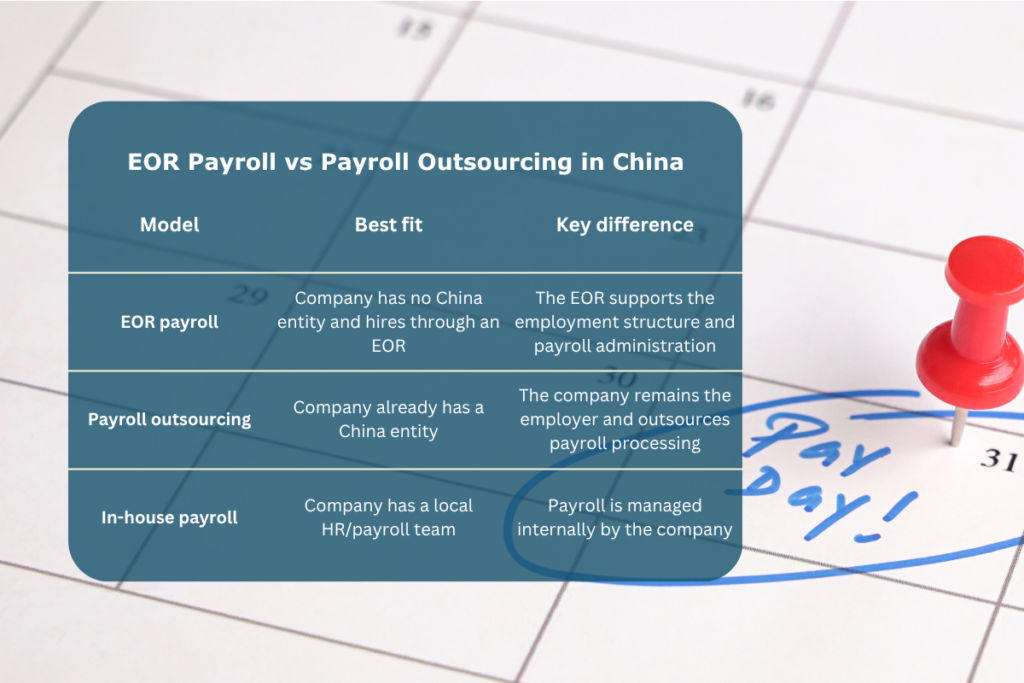
| Model | Best fit | Key difference |
| HR outsourcing | Company already has a China entity | The company remains the employer and outsources select HR functions |
| EOR | Company has no China entity | The EOR supports the local employment structure and administration |
| Payroll outsourcing | Company has a local employer structure | Payroll processing is delegated, but employment stays with the company |
| Recruitment outsourcing | Company needs local hiring support | The partner helps find candidates, but the company makes hiring decisions |
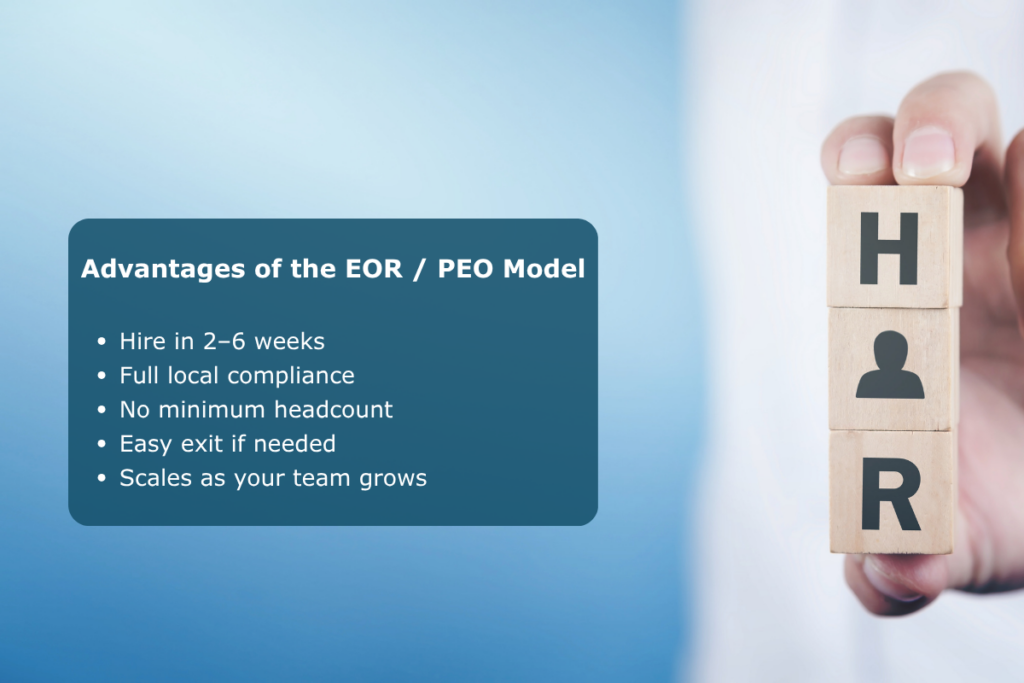
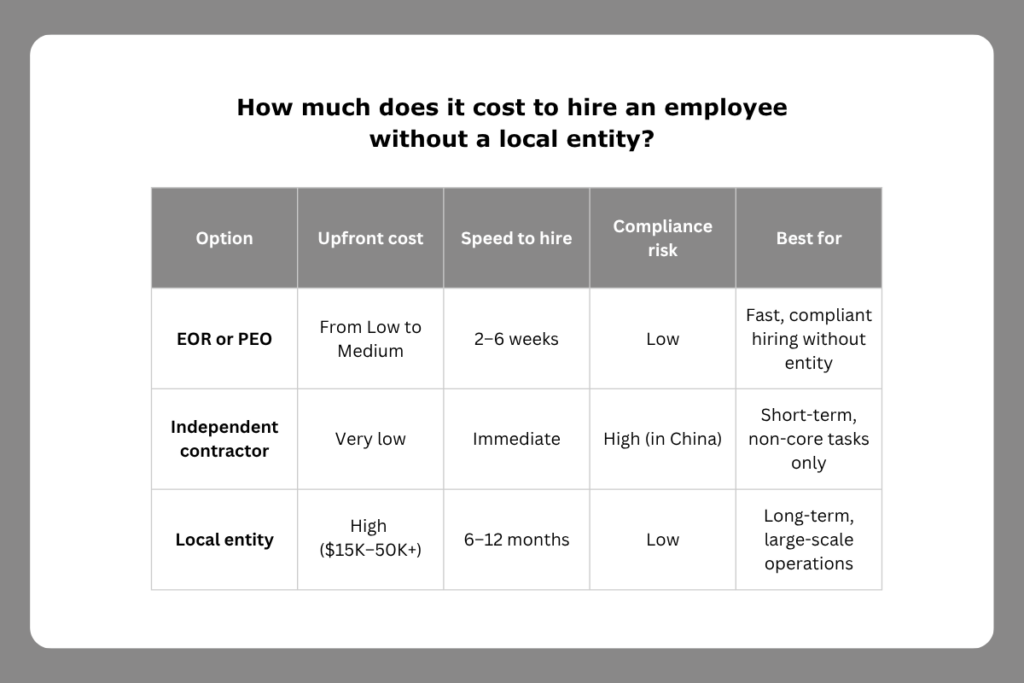
This distinction matters because outsourcing payroll or recruitment does not create an employment structure by itself. If the company does not have a China entity, it may need an EOR solution to hire legally before building a permanent local presence.
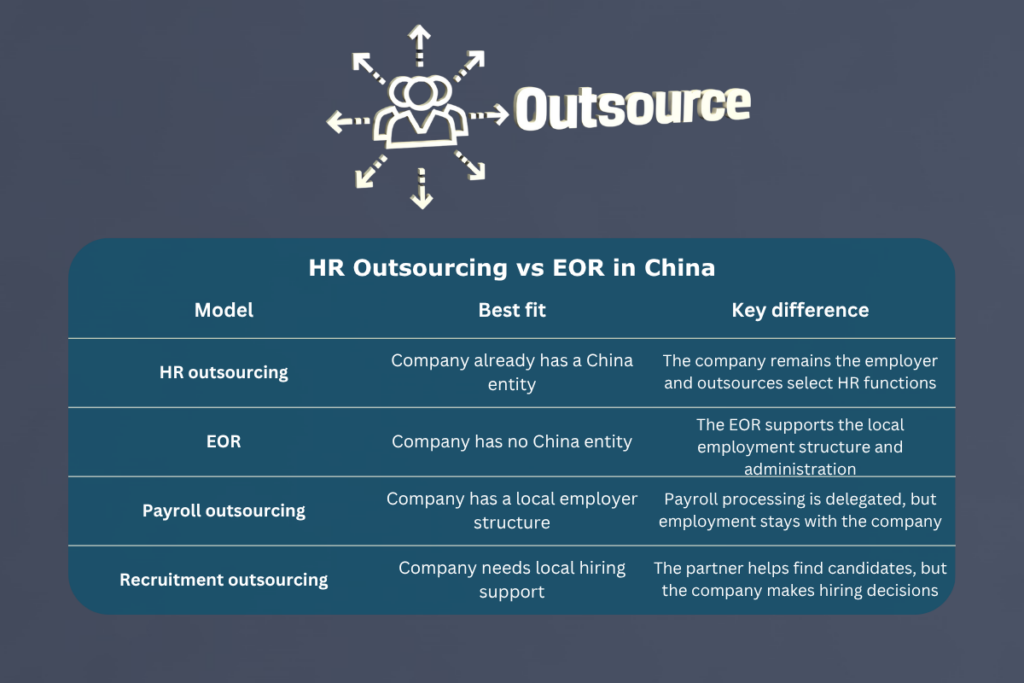 HR outsourcing, EOR, payroll outsourcing, and recruitment outsourcing serve different needs depending on whether a company has a local entity and which employment responsibilities it wants to delegate.
How VVR International Supports HR Outsourcing in China
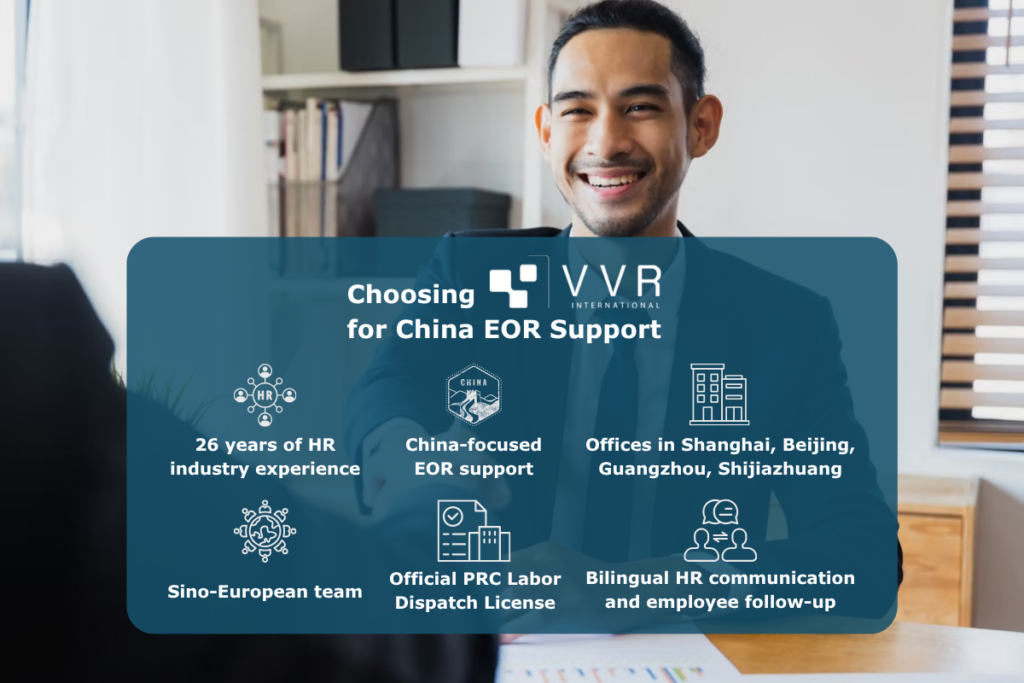
VVR International supports foreign companies in China through HR consulting, organizational diagnosis, recruitment, coaching, operational HR services, business process outsourcing, and Labor Dispatch services. Its HR division is positioned to help foreign companies manage teams in China, including situations where they do not yet have a local legal entity.
For companies that need practical HR support, VVR International can assist with recruitment, EOR, payroll coordination, employment administration, mandatory social benefits, HR documentation, and employee lifecycle follow-up.
This support is especially relevant for companies hiring a first employee, building a small team, managing China-based employees from overseas, or deciding which HR functions should be outsourced before setting up a larger internal HR structure.
Conclusion
HR functions outsourced in China should be selected by business need, employment structure, and internal HR capacity. Companies can outsource payroll, tax administration, benefits coordination, recruitment, HR documentation, onboarding, employee lifecycle operations, compliance support, and offboarding. At the same time, strategic HR decisions should remain with the company. Workforce planning, role design, final hiring decisions, daily management, performance evaluation, and team culture require internal ownership.
The right HR outsourcing model gives foreign companies stronger local execution while keeping management control clear. VVR International helps companies assess which HR functions to outsource in China and how to structure local employment, payroll, recruitment, and employee support.
Contact VVR International to discuss your HR outsourcing needs in China.
Frequently Asked Questions
What HR functions can be outsourced in China?
Companies can outsource payroll, tax administration, social insurance and housing fund coordination, benefits administration, recruitment, employment documentation, onboarding, employee records, HR operations, compliance support, and offboarding coordination.
Can payroll be outsourced in China?
Yes. Payroll can be outsourced when a company needs support with salary calculation, payslips, payroll reporting, IIT withholding coordination, statutory contributions, and employee payroll questions.
Can recruitment be outsourced in China?
Yes. Companies can outsource candidate sourcing, screening, interview coordination, salary benchmarking, offer support, and local hiring advice. The company should still make the final hiring decision.
What is the difference between HR outsourcing and EOR in China?
HR outsourcing is usually used when the company already has a China entity and wants to delegate selected HR functions. EOR is used when the company does not have a China entity and needs a local employment structure to hire employees.
What HR responsibilities should stay with the company?
Workforce strategy, role design, final hiring decisions, daily management, performance evaluation, compensation strategy, company culture, and final termination decisions should usually remain with the company.
FAQs
- Who pays the employee when using an EOR in China?
In an EOR arrangement, the EOR partner usually manages the local employment and payroll administration. The client company funds the employment cost and manages the employee’s work, objectives, and performance.
- Does EOR payroll include IIT withholding?
Yes, EOR payroll usually includes IIT withholding coordination. Companies should confirm how the EOR partner calculates withholding, files payroll-related tax information and explain deductions to the employee.
- Does EOR payroll include social insurance and housing funds?
Yes, EOR payroll usually includes coordination of statutory contributions such as social insurance and housing funds. The exact contribution process should be checked based on the employee’s location and employment arrangement.
- Why can payroll cost vary by city in China?
Payroll costs can vary by city because social insurance and housing fund administration may depend on local contribution bases, procedures, and requirements. Companies should confirm city-level payroll assumptions before hiring.
Related Posts


Shanghai, Chine
7888 Humin Road, Minhang District
+86 21 3422 7164 103
contact@vvrchina.com

Guangzhou, China
Merchants City Home
495 Hanxi East Road,
Panyu District
+86 20 8332 1024
contact@vvrchina.com

Shijiazhuang, China
368 XinShi Bei Road,
Zhenxin Industry District
+86 3118 381 0103
contact@vvrchina.com

Sao Paulo, Brésil