Tag: HR solution

How to Make Your First Business Trip to China a Success | 2026 Guidance

Visiting China Factories: Your Ultimate Guide to Successful Business Trip to China

1. Introduction

China remains one of the most important global manufacturing hubs in 2025. For many companies, visiting Chinese factories is a crucial step toward securing reliable suppliers, auditing production quality, or negotiating partnerships. However, a business trip to China can feel overwhelming, especially for first-time travelers. Because different laws, cultural expectations, and logistical hurdles require careful preparation, planning ahead is essential.

For foreign companies, understanding how to navigate business trips in China is more than just logistics. It is about ensuring compliance with Chinese labor laws, managing cultural nuances, and protecting the well-being of staff. With the right preparation, companies can turn a factory visit into a long-term partnership opportunity. In this article, we, VVR RH, provide practical advice for business managers and HR leaders. It covers preparation, etiquette, travel tips, and HR recommendations for employers sending staff abroad. It also outlines common challenges and strategies to overcome them.

2. Key Takeaways

• Face-to-face meetings are essential in China’s business culture.
• A well-planned agenda ensures smooth visits to multiple factories.
• Compliance with visas, local labor laws, and cultural norms is vital.
• Understanding Chinese etiquette strengthens negotiations.
• Preparation reduces risks and increases trust with suppliers.

Insight for you: Many firms now follow a China+1 strategy, combining Chinese production with new bases in Vietnam, Malaysia, or Thailand. Business travel often covers China and one ASEAN partner, making it a cornerstone of modern supply chain planning

3. Before Your Business Trip to China: Preparation

Preparing thoroughly before your trip is crucial since China’s business culture values punctuality and planning. Therefore, the right documents, health checks, and digital readiness will help you avoid setbacks.

Plan Your Visit Agenda

Preparation and making advanced plan are keys when entering China for your first business trip.

Preparation and making an advanced plan are keys when entering China for your first business trip.

Travelling to China for business requires detailed preparation. Meetings should be scheduled 2–3 weeks in advance, as suppliers often need time to prepare documentation and sample production lines. You should be mindful of public holidays. During Golden Week (October) and Lunar New Year (January/February), many factories shut down for one to three weeks. Travel forums such as Reddit’s r/travelchina warn that last-minute planning around these periods often leads to delays.

Tip: Always check the official Chinese holiday calendar before confirming flights. Building flexibility into your agenda ensures fewer disruptions. Ensure agendas are realistic. Allow travel time between provinces because China’s geography is vast. Building flexibility into your agenda ensures fewer disruptions. Ensure agendas are realistic. Allow travel time between provinces because China’s geography is vast.

Business Trip to China: Visa Type (2025 Update)

China updated its business visa policy in 2024, simplifying procedures for short-term travelers while keeping compliance requirements for longer stays. The type of visa and the documents needed depend primarily on the duration and purpose of your visit.
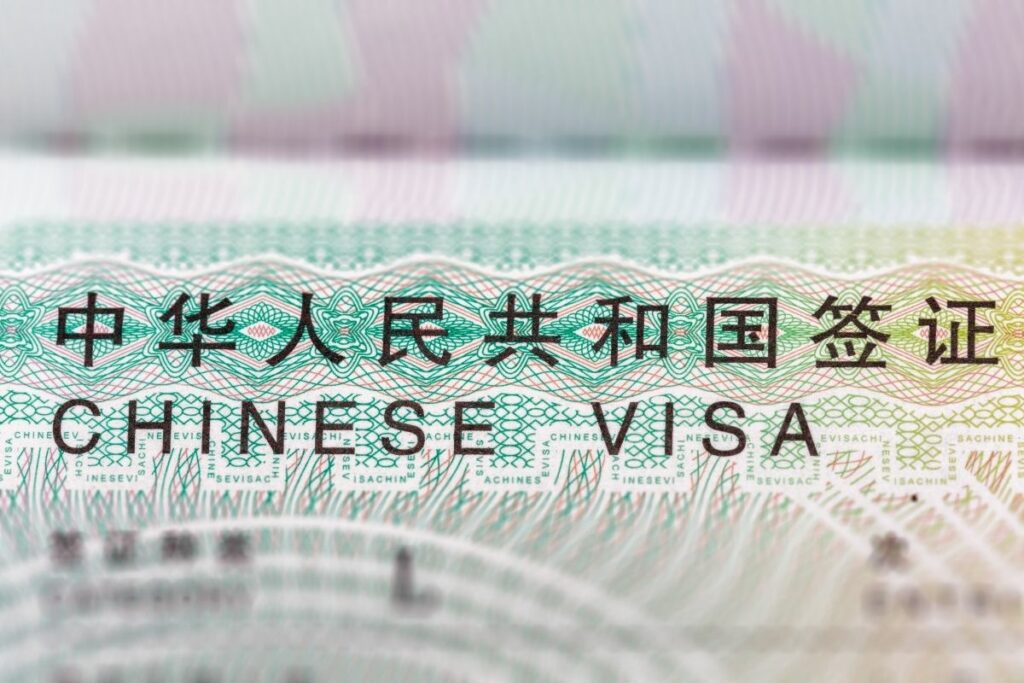
Business travel to China requires M visa type if you stay over 30 days.

Business travel to China requires an M visa type if you stay over 30 days.

Short-term Business Trips (Less than 30 days)

Until 30 January 2025, holders of ordinary passports from multiple countries, including France and Monaco, are exempt from visa requirements for visits of up to 30 days. This policy applies to trips for business, tourism, family visits, transit, or cultural exchanges. Travelers under this exemption can enter China without an M visa, provided their stay does not exceed 30 days, and they do not engage in activities that require residence or employment permits. Tip: Always carry a printed invitation letter or meeting confirmation from your Chinese partner. It may be requested by border officials upon entry.

Longer Business Stays (Over 30 days)

For business trips exceeding 30 days, business travelers typically require an M visa. Applicants must prepare the following:

  • A formal invitation letter from a Chinese company or authorized institution.
  • A valid passport (at least six months’ validity remaining).
  • A completed visa application form and a recent passport photo.

Applications are typically submitted at the Chinese Embassy or Consulate in the applicant’s country of residence (for example, the Chinese Embassy in France). Fees depend on visa type, nationality, and processing speed. So, it’s advisable to apply well in advance. Frequent travelers can now apply for multi-entry M visas valid for six or twelve months. Standard processing takes 4–10 working days, with express options available. Moreover, most embassies now require fingerprints and biometric data during the application. Travelers also need an official invitation letter from the hosting company or local authority. Tip: Employers should bring a printed invitation letter from their Chinese partner to avoid bottlenecks when entering China. Delays in visa processing can disrupt entire factory visit schedules.

Health and Safety Updates

Beyond vaccination requirements, visitors must prepare for air quality challenges. In fact, Beijing, Xi’an, and other industrial cities frequently report high pollution levels. If you are a sensitive person, you should carry N95 masks. Companies are encouraged to provide corporate travel insurance covering medical emergencies, accidents, and even COVID-19 reinfections. Insurance should include emergency evacuation clauses, especially for employees visiting remote provinces.

Digital Preparation

China’s internet environment is highly regulated. Google, Gmail, YouTube, Facebook, and Instagram are blocked. LinkedIn was restricted in 2023. Travelers should download Baidu Maps or Gaode Maps before arrival, as Google Maps does not function. Wi-Fi in airports and hotels often requires passport registration for access. Tip: Encourage employees to set up VPNs approved by the company. This ensures secure communication and uninterrupted access to critical apps.

4. Understanding Business Etiquette in China

Etiquette in China often determines whether business discussions succeed. In fact, respect, trust, and proper manners are as important as contracts. For example, greetings usually involve a handshake and a nod.

What Every Foreigner Should Know

Etiquette remains a central part of business in China. Meetings usually start with formal introductions and the exchange of business cards. Cards should be presented and received with both hands, followed by a brief review before storing them. Seating arrangements at banquets and meetings reflect hierarchy. Senior hosts sit in the middle. Foreign guests of honor sit opposite. Punctuality is highly respected. Arriving late, even by a few minutes, can be seen as disrespectful.

Business cards should be presented and received with both hands.

Business cards should be presented and received with both hands in China.

Communication Styles and Meeting Practices

Chinese managers often avoid saying “no” directly. Instead, phrases like “we will think about it” or “this might be difficult” suggest rejection. Reading between the lines is crucial. Important decisions are sometimes made outside the boardroom. Karaoke nights, banquets, and tea sessions are common venues for informal but essential discussions. Tip: Train your staff to interpret indirect communication styles. Misunderstandings in tone can derail negotiations.

Cultural Differences You Need to Adapt To

China is a collectivist society, based on Hofstede’s model. Group loyalty, harmony, and respect for hierarchy dominate the workplace. By contrast, Europe emphasizes individual decision-making. Consequently, decisions in China are made at the senior level, not by mid-level staff. Furthermore, uncertainty avoidance is moderate. While contracts are detailed, relationships (guanxi) often outweigh written terms. China also scores low on indulgence, meaning employees and partners often prioritize long-term stability over short-term rewards.

Building Long-Term Business Relationships

Trust in China grows slowly. Many factories prefer starting with small test orders before scaling up to larger deals. Consistency in follow-ups via WeChat is key. Sending a visit report and a polite thank-you note in Mandarin can make a lasting impression. HR Tip: Encourage employees to bring small branded gifts. These act as tokens of goodwill and reflect respect for local traditions.

5. Useful Tips During Trips to China 

Once you arrive in China, practical knowledge makes the difference between a smooth trip and a stressful one. From payment apps to travel choices, preparation pays off.

Before You Board

China is vast, and weather conditions vary greatly. Guangzhou is hot and humid, while Harbin can be subarctic. Here are some tips for your first business trip to China.

  • Clothing: Pack both formal business attire for meetings and casual wear for factory visits.
  • Business cards: Always carry bilingual cards (English on one side, Mandarin on the other).
  • Cash: Carry some RMB (Yuan), as smaller towns may not accept foreign cards.
  • Apps: Download WeChat for communication and payments.
  • Connectivity: Arrange an international SIM or eSIM for data.
  • Power: Bring a portable charger; taxis and rural trains often lack charging ports.

On Arrival

Major airports such as Beijing Capital and Shanghai Pudong require fingerprint scans and face ID at immigration.

  • Payment. Mobile payments dominate. WeChat Pay and Alipay now accept foreign Visa and MasterCard cards. Register accounts in advance to avoid problems. For currency exchange, ATMs often offer better rates than counters.
  • Mobility. China’s high-speed rail system spans more than 42,000 km, the largest in the world. Popular routes like Beijing–Shanghai reduce travel to 4.5 hours. You should buy tickets in advance during peak travel. For smaller factory towns, hire a driver. If visiting factories in rural areas, you can arrange pickups with suppliers. Taxis rarely accept foreign cards and may refuse long-distance rides. Avoid unlicensed taxis. Besides, you can download and use DiDi (China’s Uber) for safe rides.
  • Accommodation. Not all hotels can host foreigners. Always book international chain hotels or confirm foreigner-friendly status before arrival. Remember that confirmation before booking.
  • Language. English is limited outside major cities. Hire interpreters for factory visits. Translation apps like iFlytek or Baidu Translate help but are not substitutes for human interpreters. HR Tip: Provide travelers with a pre-departure pack: emergency contacts, supplier addresses in Mandarin, and cash for small expenses.

After the China Business Trip & Following Up

The work does not end when you return home. Indeed, effective follow-up is critical in Chinese business culture. Chinese suppliers expect continued communication after an initial visit. For this reason, companies should send a visit report within two weeks, thank their hosts, and confirm next steps. Checklist for follow-up:

  • Provide feedback on inspected goods.
  • Clarify contracts, delivery terms, and compliance requirements.
  • Maintain guanxi through regular WeChat
  • Hold internal debriefs to evaluate whether travel goals were met.

HR Tip: Encourage employees to document cultural insights. This builds knowledge for future business trips and reduces risks for new travelers.

6. HR Recommendations for Employers Sending Staff to China

Employers should treat China business trips as part of broader HR planning. This ensures compliance, employee safety, and long-term business success. Longer trips (stays beyond 90 days) may require a Z visa (work visa) and a residence permit. Employers must also comply with China’s labor contract law if staff are assigned beyond short-term visits. Provide cultural training before departure. Employees should be prepared for long banquets, late-night negotiations, and formal etiquette.

Challenges to expect and how to overcome them

  • Jet lag. China is 6–7 hours ahead of Europe and 12–13 hours ahead of the U.S. Encourage travelers to adjust schedules before departure.
  • Cultural fatigue. Banquets often include heavy drinking. Offer staff polite ways to refuse alcohol if needed.
  • Factory inspections. Some suppliers may showcase only their best production lines. Always conduct random checks.
  • Connectivity. Internet restrictions may slow communication. Always carry offline maps and backup files.

Read more related articles


7. Conclusion

A business trip to China is not just a visit. It is an investment in long-term partnerships. Proper preparation ensures compliance, safety, and cultural alignment. For employers, supporting staff with training, insurance, and compliance checks turns a routine trip into a strategic advantage. Planning your first business visit to China? VVR International – VVR RH supports global companies with:

  • HR outsourcing services.
  • Recruiting and compliance with Chinese labor law.
  • Cultural and travel preparation for staff.
  • Employer of Record (EOR) solutions to test the market without heavy setup costs.

👉 Contact us today to transform your China business trip into long-term business growth.

Share your project with us via contact@vvrinternational.com.

CONTACT US

FAQ

  • What are the main HR challenges in China that outsourcing helps foreign companies solve?

The main HR challenges in China include compliance with labor contract law, managing payroll across different cities, handling social insurance and housing fund contributions, and navigating work permit requirements for foreign employees.

HR outsourcing for foreign companies in China addresses these issues by providing local expertise, payroll outsourcing services, contract management under mutual agreement rules, and support for work permits. This allows companies to operate smoothly while minimizing legal and operational risks.

  • How do HR outsourcing services in China support strategic HR management and long-term growth?

HR outsourcing services in China support strategic HR management, aligning with modern HR practices in China, including digital HR solutions, employee retention strategies, and ESG-focused HR policies. By outsourcing HR functions, companies gain access to market insights, salary benchmarks, and compliance monitoring, enabling them to build sustainable teams in China while adapting to workforce trends and long-term business objectives.

Related Posts

Read More
Employees Benefits in China: Salary, Compensation, Insurance | A Full Guide 2026

Employees Benefits in China: Salary, Compensation, Insurance | A Full Guide 2026

1. Introduction

For foreign companies, understanding salaries and employee benefits in China is essential. The Chinese labor market is large, diverse, and regulated by strict labor laws. Knowing the details of wages, taxes, social insurance, and workplace expectations helps employers avoid risks and attract talent. In 2025, China continues to balance rising wages with a competitive workforce. According to the National Bureau of Statistics (NBS), the average annual salary in urban China reached 124,100 Yuan (≈USD 17,200) in 2024. Moreover, this marks a 6.2% increase year-on-year. At the same time, new labor regulations and social insurance obligations require careful planning. This guide explains a clear overview of employee benefits in China, including the salary structure, mandatory benefits, working conditions, and HR practices in China. It also explores challenges and strategies for foreign employers, including HR outsourcing and using an Employer of Record (EOR). 

2. Salary Landscape in China: Salary Structure

International firms face higher competition for skilled workers. To succeed, companies must understand wages in China, salary structures, and benefit expectations. According to the National Bureau of Statistics of China, the average annual wage was 124,110 Yuan (~USD 17,200) in the urban non-private sector, and 69,476 Yuan (~USD 9,600) in the urban private sector. Based on a 40-hour workweek, the estimated average hourly wage is ~60 Yuan (~USD 8.5), or about 124,800 Yuan annually 

Salaries are highest in Tier 1 cities (Beijing, Shanghai, Shenzhen, Guangzhou) where average yearly pay exceeds 200,000 Yuan (~USD 28,000). However, the cost of living in these cities is also significantly higher.   In Tier 2 and Tier 3 cities (Chengdu, Suzhou, Wuhan, etc.), salaries average closer to 80,000 – 100,000 Yuan per year (~USD 11,000 to 14,000). In addition, these cities now offer growing talent pools for employers.  Additionally, inland provinces have much lower wages but rising competitiveness in manufacturing. Wages vary widely by region and industry. Sectors such as finance, IT, and biotechnology command premium salaries, while agriculture and textiles remain lower. 

Practical insight: Employers entering the Chinese market should benchmark salaries by region and sector. Compensation that works in Shenzhen may not attract talent in Chengdu or vice versa. 

Mnimum Wage and Labor Types 

China does not have a national minimum wage. Instead, each of the 31 provinces and municipalities sets its own rates, adjusted every 1–2 years.  For instance, in 2025:

  • Shanghai has the highest minimum wage at 2,690 Yuan per month. 
  • Smaller provinces set minimums closer to 1,500–1,800 Yuan per month. Anhui has the lowest minimum wage at 1,350/month Yuan. 

Labor contracts in China are divided into three categories: 

  • Fixed-term contracts. It is common for new hires, must last at least one year. 
  • Open-term contracts. After two fixed-term renewals, workers can request one. 
  • Project-based contracts for temporary or seasonal work. It tied to a specific project timeline. 

This system is designed to balance flexibility with worker protection, in line with the Chinese Labor Law. Employers must sign a written labor contract within 30 days of hiring. Otherwise, they face fines. 

Salary Tax in China 

China applies a progressive personal income tax (PIT) system for salary tax (State Taxation Administration of China). Standard deduction is 60,000 Yuan per year. From 3% to 45% depending on income, as below: 

  • Income up to 36,000 Yuan  taxed at 3%. 
  • 36,001 – 144,000 Yuan  10%. 
  • 144,001 – 300,000 Yuan  20%. 
  • 300,001 – 420,000 Yuan  25%. 
  • 420,001 – 660,000 Yuan  30%. 
  • 660,001 – 960,000 Yuan  35%. 
  • Above 960,000 Yuan  45%. 

Employers must withhold taxes monthly and report them to the authorities. Foreign employees are taxed on their China-sourced income. Since 2024, some expatriate allowances (like housing and children’s education) remain tax-exempt. As a result, relocation has become more attractive for foreign workers. In addition, many foreign SMEs use payroll outsourcing in China to handle tax, benefits, and compliance. As a result, this ensures accurate filings and reduces the risk of errors. 

3. Social Insurance and Mandatory Benefits (The 5+1 Model)

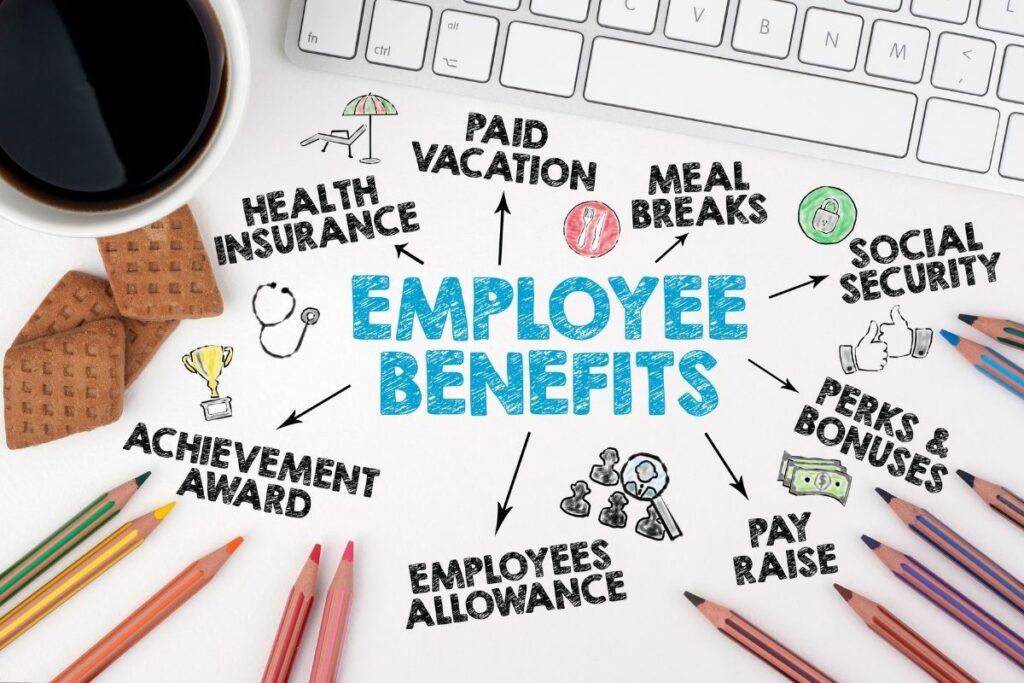
Employee benefits in China include additional compensation such as overtime pay, medical insurance, vacation, profit sharing, and retirement benefits.

Employee benefits in China include additional compensation such as overtime pay, medical insurance, vacation, profit sharing, and retirement benefits.

China’s “five insurances and one housing fund” are mandatory:  

  • Pension insurance ensures financial security for employees in retirement. 
  • Medical insurance covers a portion of medical expenses for employees. 
  • Unemployment insurance provides financial assistance in case of job loss. 
  • Work injury insurance covers medical expenses and compensation for work-related injuries. 
  • Maternity insurance supports employees during pregnancy and childbirth. 
  • Housing provident fund (+1) aims at helping employees save for housing-related expenses. 

Contribution rates vary by city. For example, in Beijing: 

  • Employers pay around 27–30% of an employee’s gross salary. 
  • Employees contribute around 10–12% of gross salary. 

In Shanghai, employers contribute ~27%, employees ~11%. These costs must be budgeted into total employment packages. Otherwise, companies face penalties, back payments, and even legal liability. Furthermore, Chinese citizens and foreigners are subject to different social security contribution regulations. Shanghai temporarily exempts foreign workers from paying China’s foreigner social insurance.  Foreigners are required to pay full Chinese social insurance in other Chinese cities.  

According to PwC China HR Updated 2025, foreign employees must also contribute unless exempt under a bilateral agreement. However, workers from Germany or South Korea benefit from such exemptions.  

Supplemental Employee Benefits in China: 101 Overview 

Employee benefits in China include additional compensation such as overtime pay, medical insurance, vacation, profit sharing, and retirement benefits. These benefits are essential for showing concern for employee well-being. It also attract and retain top talent while differentiating a company from its competitors. Thus, it is imperative for employers to understand the relevant regulations in China to ensure fair wages and appropriate benefits when hiring or establishing a subsidiary. Beyond statutory benefits, companies must offer additional perks to attract top talent and retain staff. Common supplemental benefits include: 

  • Performance-based bonuses. 
  • Additional paid leave. 
  • 13th month or “double pay” bonus, especially in MNCs. 
  • Commercial health insurance, covering gaps in public healthcare. 
  • Meal, housing, and transport allowances, especially in manufacturing hubs. 
  • Training budgets to support upskilling. 
  • Flexible benefits such as mental health support, gym memberships, or flexible working hours. 

Overall, these employee benefits improve retention and help foreign firms compete with local champions in China.

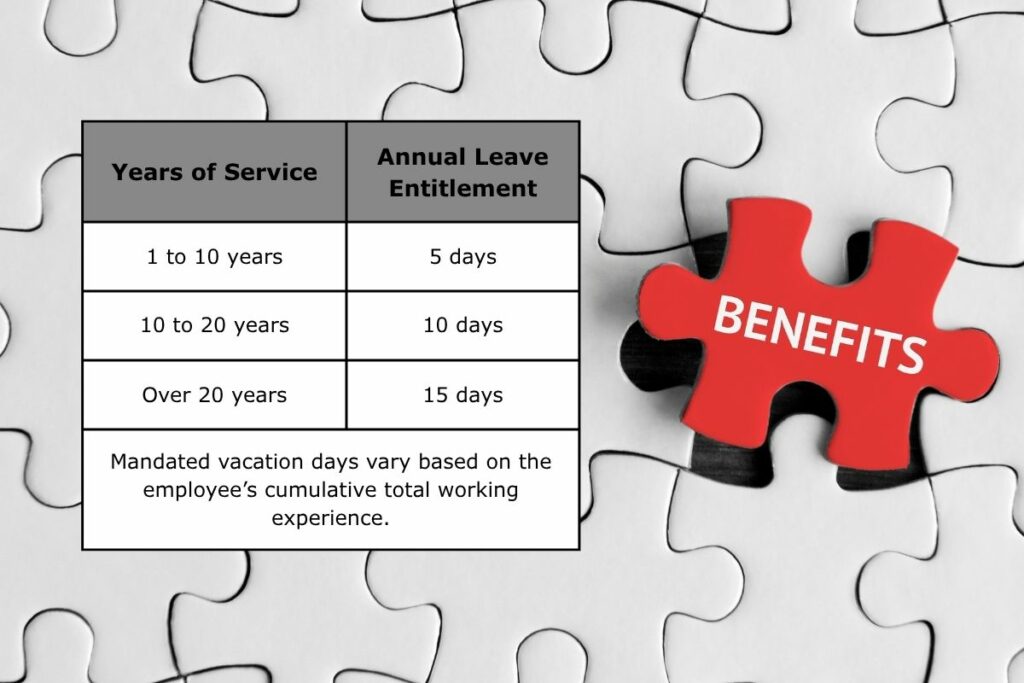
Paid annual leave in China is mandated, from 5 to 15 days depending on seniority.

Paid annual leave in China is mandated, from 5 to 15 days depending on seniority.

4. Working Conditions in China

Strict labor laws and cultural norms shape working conditions in China. 

  • Standard working week: 40 hours, typically Monday – Friday. 
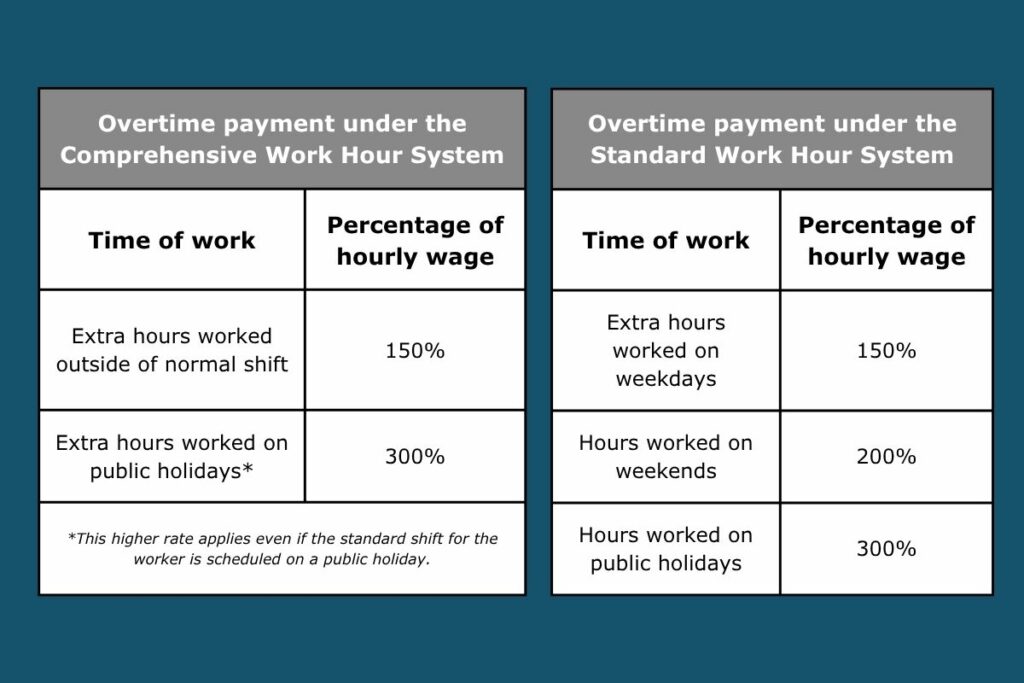
  • Overtime is regulated, with premiums ranging from 150% to 300% of base pay, depending on whether it falls on weekends/holidays. 
  • Paid annual leave is mandated: 5 – 15 days depending on seniority. Specifically, 5 days of paid vacation per year (1 – 10 years), 10 days (10 – 20 years), 15 days (20+ years). 
  • Maternity leave: 98 days minimum, with extensions in some provinces.  

It is common for foreign employers to offer more vacation time to mid-level or senior managers.  These offers frequently include up to four weeks of annual vacation time.

Overtime is regulated, with premiums at 150% - 300% of base pay.

Overtime is regulated, with premiums at 150% – 300% of base pay.

5. Key Differences Between China and Global Benefits

Worldwide companies typically offer a range of benefits to their employees, including health insurance, paid time off, and retirement plans, with additional options such as training, wellness programs, and childcare support. These benefits align with the company’s size, location, and industry standards, playing a crucial role in employee satisfaction and retention. 

In Western countries, such as the US and UK, employee benefits vary based on employer policy and local legislation. Health insurance is common but not universally mandated. Retirement savings plans, such as 401(k) in the US, are prevalent, and benefits often include paid vacation, parental leave, and flexible working hours. Some regions provide more favorable leave policies and health services. 

In certain Asian countries, including Japan, Singapore, and South Korea, employee benefits are robust as well, covering health insurance, paid leave, and work injury protection. Loyalty among employees is often rewarded with enhanced benefits, with China’s employee benefits reflecting substantial governmental oversight. Each Asian nation customizes its benefits according to cultural and economic factors. 

For China, the government plays a strong role in controlling employee benefits, leading to a more structured but less flexible system compared to other countries where private companies set benefit plans. Chinese law mandates consistent social and housing benefits across companies, with global firms providing additional perks to attract talent. While vacation days in China are fewer than in many Western nations, maternity leave is generally longer, alongside specific leave allowances for personal events like marriage and funerals, contrasting with the often more customizable leave policies found elsewhere. 

⇒ Do you want to explore more about recruitment practices across regions? Read our guide on Recruiting in China and Europe: Key Differences and Tips for Adapting to understand how hiring processes differ and how to adapt your HR strategy. 

6. Challenges for MNCs in China’s Labor Market  

China offers a wide range of opportunities for global employers. Rising wages, a strong middle class, and a skilled workforce make it an attractive market. However, challenges remain: 

  • Rising wages increase costs. 
  • Regional disparities in salary and benefits. 
  • Complex payroll systems. 
  • Compliance with Chinese labor law requires expertise. 

Foreign companies in China need to navigate complex labor benefit laws to avoid fines and legal issues. Therefore, collaboration with local experts becomes essential. The cost of providing mandatory benefits such as social insurance and housing fund payments can be significant, especially for smaller firms.  

Additionally, employers must understand the expectations of Chinese employees. Many prioritize social stability and housing support. This is critical for retaining staff and ensuring satisfaction. Thus, for SMEs, using HR outsourcing in China or an Employer of Record (EOR) can reduce risks, simplify hiring, payroll, and compliance for expat staff. 


Read more related articles


7. Conclusion 

China’s labor market continues to evolve. NBS reported urban surveyed unemployment at 5.1% in April 2025. Employment opportunities are strongest in technology, renewable energy, logistics, and advanced manufacturing (World Bank China Economic Update, April 2025). In conclusion, understanding employee benefits in China, the average salary in China, and payroll compliance is essential. In fact, these are critical success factors for any business entering the market.  

For foreign firms without a legal entity, Employer of Record (EOR) services are a popular solution because setting up a local entity in China can take months. We – VVR RH can help you with our professional services: 

  • The EOR hires employees on behalf of the foreign company. 
  • Handles contracts, payroll, taxes, and benefits. 
  • Allows market entry without registering a subsidiary. 

If you want to test the Chinese market without high upfront costs, Ean OR service is a suitable solution. 

⇒ Contact us today to discover how our HR outsourcing services in China 2026 can help your business hire employees, manage payroll, and stay compliant. 

Share your project with us via contact@vvrinternational.com.

CONTACT US

FAQ

  • What are the main HR challenges in China that outsourcing helps foreign companies solve?

The main HR challenges in China include compliance with labor contract law, managing payroll across different cities, handling social insurance and housing fund contributions, and navigating work permit requirements for foreign employees.

HR outsourcing for foreign companies in China addresses these issues by providing local expertise, payroll outsourcing services, contract management under mutual agreement rules, and support for work permits. This allows companies to operate smoothly while minimizing legal and operational risks.

  • How do HR outsourcing services in China support strategic HR management and long-term growth?

HR outsourcing services in China support strategic HR management, aligning with modern HR practices in China, including digital HR solutions, employee retention strategies, and ESG-focused HR policies. By outsourcing HR functions, companies gain access to market insights, salary benchmarks, and compliance monitoring, enabling them to build sustainable teams in China while adapting to workforce trends and long-term business objectives.

Related Posts

Read More
Outsourcing in China: Everything You Need to Know (2025 – 2026)

HR Outsourcing in China: Everything You Need to Know (2025 – 2026)

1. Introduction

Expanding into China remains a key strategy for international companies seeking growth and cost efficiency. The country combines world-class manufacturing capacity, skilled labor, and advanced infrastructure. However, entering China’s market can be complex due to regulations, labor laws, and setup costs. That’s why HR outsourcing in China has become one of the most effective solutions. It allows foreign businesses to delegate specific functions, from manufacturing and IT to HR and logistics, to local experts without establishing a full legal entity. 

In this article, VVR International’s experts will explore: 

  • What outsourcing in China is and how it works. 
  • The benefits and risks of this model. 
  • HR, and compliance aspects about labor contract law. 
  • A comparison between outsourcing and outstaffing models. 
  • Why companies increasingly rely on outsourcing for faster, more efficient market entry.

By the end, you’ll understand whether outsourcing is the right strategy to support your expansion in China.

2. Outsourcing in China: 101 Overview

For global businesses, outsourcing provides a quick and compliant way to access China’s talent, production, and service capabilities. Let’s dive into what it means and how it differs from other models like outstaffing. 

Outsourcing offers a fast and compliant way to access the local talent pool.

Outsourcing offers a fast and compliant way to access the local talent pool.

What is Outsourcing in China? 

Outsourcing is a business model where a company delegates certain functions, projects, or processes to an external service provider in China. The provider handles managing tasks, people, and outcomes. 

Unlike outstaffing, where employees are legally hired by a third party but work under your daily supervision, outsourcing means the provider takes full responsibility for delivery, quality, and operations. 

Common types of outsourcing in China include: 

  • Manufacturing outsourcing: Partnering with Chinese factories to produce goods cost-effectively. 
  • IT outsourcing: Delegating software development, technical support, or maintenance. 
  • Business Process Outsourcing (BPO): Outsourcing functions such as customer service, accounting, or procurement. 
  • HR outsourcing: Using a local partner to handle contracts and compliance. 

Key Benefits of Outsourcing to China 

Outsourcing continues to attract global companies for its strategic and operational advantages: 

  • Cost efficiency. China offers competitive labor and production costs without compromising quality. 
  • Access to expertise. Local providers bring deep knowledge of supply chains, logistics, and compliance. 
  • Faster market entry. Avoid months of administrative setup by working through established partners. 
  • Scalability. Easily expand or reduce operations based on demand. 
  • Focus on core business. Delegating non-core functions allows management to focus on growth. 
  • Compliance support. Providers ensure adherence to labor, and environmental regulations.

👉 The Verdict: Outsourcing in China delivers flexibility, cost savings, and operational reliability. Thus, it is ideal for companies aiming to grow in Asia while minimizing administrative complexity.


Risks and Challenges of Outsourcing in China 

Like any business approach, outsourcing brings both advantages and risks. Companies must also consider its challenges: 

  • Loss of direct control. The provider manages daily operations and decisions. 
  • Quality consistency. Product or service quality must be monitored closely. 
  • Intellectual property (IP) risks. Always use clear legal contracts and NDAs. 
  • Cultural and communication gaps. Time zones, language, and expectations may differ. 
  • Vendor dependence. Your performance may rely heavily on your partner’s reliability. 

⇒ Tip for you: You should choose outsourcing companies with proven track records, transparency, and strong local networks to mitigate risks. 

3. Outsourcing vs Outstaffing in China 

Both models help companies operate in China without building a full entity, but they serve different purposes. 

  • Outsourcing in China shifts responsibility for a function or project to a third party. You focus on results while the provider manages the process. 
  • Outstaffing in China gives you dedicated employees who legally belong to the outstaffing company but work under your direction. Think of it as renting talent with compliance included. 
Outsourcing in China shifts responsibility for a function or project to a third party.

Outsourcing in China shifts responsibility for a function or project to a third party.

The table below shows some key points of the two models’ differences. 

Aspect  Outsourcing in China  Outstaffing in China 
Control  Limited control, focus on outcomes.  Full control over tasks and workflows. 
Cost structure  Fixed price for project/function.  Salaries plus service fees. 
Workforce  Staff serve multiple clients.  Dedicated staff to your company. 
Flexibility  Less flexible once contracted.  Easy to scale up or down. 
Compliance  Provider ensures project delivery.  Provider ensures labor law, payroll, and social insurance. 

👉 The Verdict: Choose outsourcing when you prefer a hands-off, results-driven model. So, it is perfect for production, logistics, IT, or back-office operations. Opt for outstaffing when you want to manage people directly while keeping legal employment with a third party.


Here are some practical scenarios for your references: 

  • A software company needs developers: outstaffing model. 
  • A fashion brand wants garments produced: outsourcing to China. 
  • A trading company needs logistics support: could use either, depending on goals. 

So, the decision depends on your business goals. 

Choose outstaffing services in China if: 

  • You want to manage employees directly. 
  • You need flexibility to scale quickly. 
  • You value compliance and secure HR handling. 
  • You plan to test the Chinese market before setting up a company. 

Choose outsourcing to China if: 

  • You want a third party to take over manufacturing or support functions. 
  • You don’t need daily management of employees. 
  • You want predictable project-based costs. 

4. Why Foreign Companies Use HR Outsourcing in China 

Here’s why outsourcing remains one of the top entry strategies for international businesses: 

  • Access to a skilled workforce. China has a large talent pool in IT, engineering, sales, and manufacturing support. 
  • End-to-end service. From design to delivery, providers handle complete workflows. 
  • Compliance and legal safety. Local partners ensure adherence to China’s labor contract law. 
  • Supply chain optimization. Outsourcing manufacturing or logistics reduces overhead and speeds of delivery. 
  • HR outsourcingProviders support recruitment, contract administration, and local HR compliance. 

For foreign businesses, this model allows companies to start operations quickly, without forming a Wholly Foreign-Owned Enterprise (WFOE).

Outsourcing services in China help foreign companies save time and reduce risks.

Outsourcing services in China help foreign companies save time and reduce risks.

5. How Outsourcing Works in China: The Typical Process 

A successful outsourcing setup generally follows these steps: 

  • Define needs. Determine which functions or projects to delegate. 
  • Select a provider. Choose based on experience, references, and local expertise. 
  • Set KPIs and scope. Agree on timelines, performance metrics, and quality standards. 
  • Contract signing. Include clauses on IP, confidentiality, and dispute resolution. 
  • Project execution. The provider manages tasks while reporting progress. 
  • Quality control and feedback. Regular reviews ensure compliance and standards. 

For example, instead of registering a WFOE (known as Wholly Foreign-Owned Enterprise), a European consumer-goods brand may outsource packaging production to a certified Chinese supplier while maintaining quality control through audits and shared digital tools. 

6. How to Choose Right HR Outsourcing Partner in China 

Your success depends heavily on the provider. So how do you choose HR outsourcing for foreign companies in China to meet the needs? Here are key tips to help you make better decisions:  

  • Compliance expertise. Do they understand Chinese labor laws? 
  • Industry knowledge. Do they have experience in your sector? 
  • Quality control systems: Are processes certified (e.g., ISO, BSCI)? 
  • HR systems. Can your provider effectively support recruitment workflows, employee documentation, and compliant contract handling? 
  • Transparency. Clear fees and no hidden costs. 
  • Network. Strong local connections for recruitment and support. 

When you have a list of potential providers, remember to always ask for references and case studies before signing an agreement.


You may also like:

📩 Looking to expand your HR operations in China? Talk to our experts today. 


7. HR Considerations in Outsourcing 

China has strict labor and HR regulations. Many foreign companies often struggle with employment laws and expectations. Therefore, HR outsourcing providers bridge this gap, especially in recruitment, onboarding, and employee support. 

Chinese Labor Contract Law requires formal, compliant agreements that define the employee’s terms of work. A reliable HR provider can help draft and manage these contracts. 

In addition, HR partners like VVR International assist with talent acquisition, onboarding, and day-to-day HR guidance. When operating under an Employer of Record (EOR) service, the HR provider becomes the legal employer in China, and is responsible for contracts, onboarding, and social insurance obligations. 

In short: A trustworthy outsourcing partner like VVR you stay compliant with Chinese labor law, especially when recruiting, onboarding, and supporting employees, so you can focus on core growth. 

8. Look Ahead

Outsourcing in China is a flexible and cost-effective way for foreign companies to hire staffs, enter the market quickly, and reduce compliance risks. Compared to outstaffing, it offers a more hands-off model focused on results and end-to-end delivery. 

If you are considering outsourcing services in ChinaVVR International can support you. With deep experience in Chinese labor law, HR management, our team guides foreign companies through every step of their China strategy. 

⇒ Contact us today to discover how outsourcing can accelerate your business in China.

Share your project with us via contact@vvrinternational.com.

CONTACT US

FAQ

  • How does EOR model work for foreign companies without a local entity in China?

EOR in China allows foreign companies to hire and manage staff without setting up a Wholly Foreign-Owned Enterprise (WFOE). A local EOR/PEO provider acts as the legal employer, handling labor contracts, social insurance, and compliance with Chinese labor contract law. This model enables faster market entry, reduces administrative burden, and ensures compliance, while foreign companies retain strategic oversight of operations. It is particularly suitable for companies testing the Chinese market or scaling teams quickly in 2026.

  • What are the main compliance risks when outsourcing to China and how can they be managed?

When outsourcing to China, foreign companies may face compliance risks related to labor law, intellectual property protection, and quality control. These risks can be managed by selecting experienced outsourcing providers with proven compliance expertise, clear contractual frameworks, and strong IP protection clauses. Reputable HR outsourcing partners also ensure employment contracts align with Chinese labor contract law, reducing legal exposure and operational risk for foreign companies expanding in China.

Related Posts

Read More
EOR/PEO Services in China: Detailed Explanation and Legal Insights for Foreign Companies

PEO Services in China: Detailed Explanation and Legal Insights for Foreign Companies

1. Introduction

China continues to attract foreign companies, but hiring employees directly is never simple. The country’s strict labor laws, complex payroll system, and regional social insurance rules make compliance a serious challenge. For businesses that want to expand quickly, PEO services in China provide a practical solution. In this article, we – VVR RH, explain what EOR/PEO services are, how they work, and what legal updates in 2025 – 2026 mean for foreign businesses. We also compare EOR/PEO with alternatives like WFOEs, helping you decide which approach best supports your China expansion.

2. What Are EOR/PEO in China?

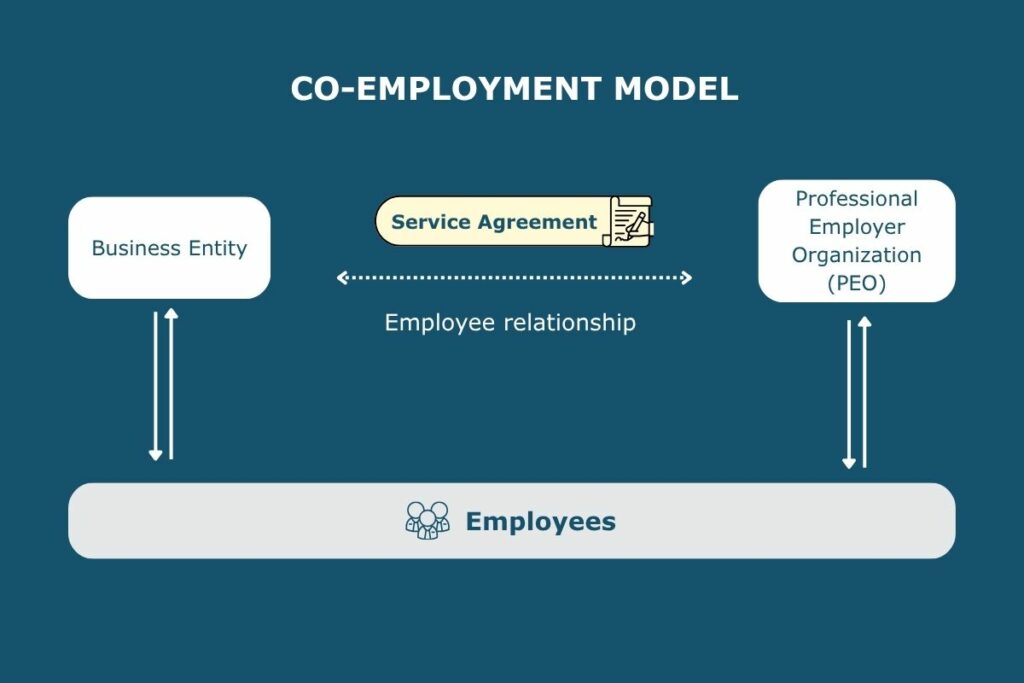
Before diving into regulations, it is important to define what PEO means in China. A Professional Employer Organization (PEO) is a local HR service provider that becomes the legal employer of record for your staff. PEO allows companies to hire employees in China without creating a local entity. While the PEO handles payroll, contracts, and benefits, the foreign company still manages the employees’ day-to-day work.

This model reduces time, costs, and legal risks while ensuring compliance with Chinese regulations. In fact, PEO services are now one of the most popular choices for SMEs and multinational firms testing the market. This arrangement is also referred to as EOR in China, since in practice, the PEO functions as the employer of record. In China, the difference between the two is more technical than practical.

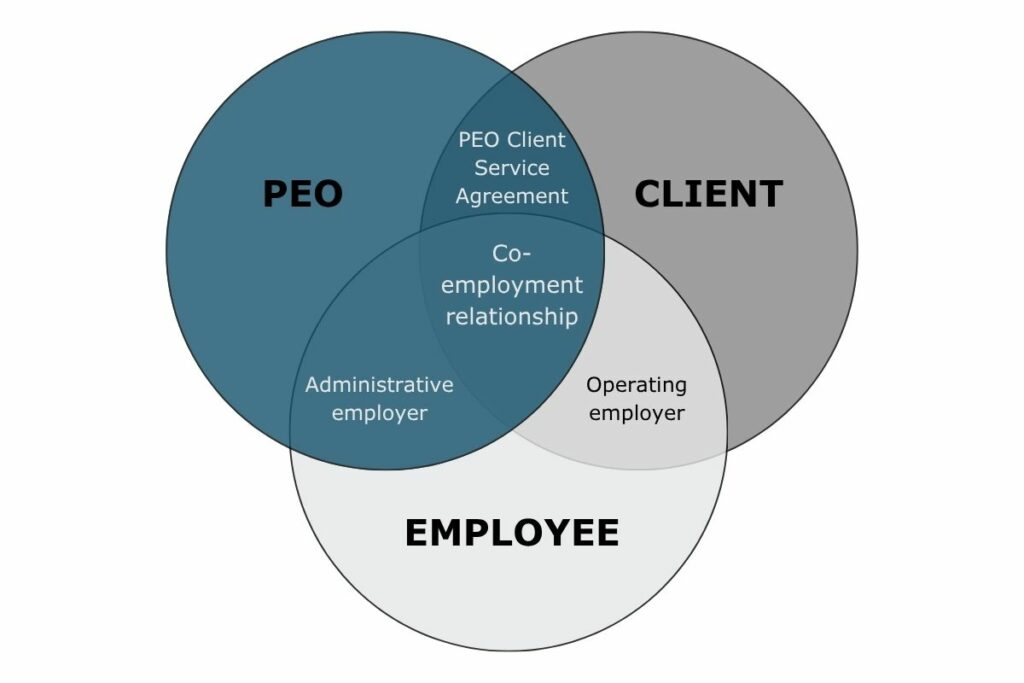
Co-employment involves a business and a professional employer organization (PEO) jointly sharing specific employment responsibilities through a contractual relationship.

Co-employment involves a business and a professional employer organization (PEO) jointly sharing specific employment responsibilities through a contractual relationship.

PEO and EOR in China: Definitions

Although the terms are used interchangeably, understanding the PEO and EOR helps decision-makers.

  • PEO (co-employment). Both the PEO and the client share employer roles. The PEO handles HR and payroll, while the client directs the employee’s work.
  • EOR (full legal employer). It refers to when the PEO is the sole legal employer. The client company manages the employee’s duties but does not appear as the employer on contracts.

In China, most providers market PEO/EOR services together, so the difference is largely branding. The choice depends on whether the company already has a legal entity in China. If yes, PEO services complement the entity. If not, EOR solutions in China provide a full legal employer framework.

Benefits of Using This Service in China

For many foreign companies, the benefits go beyond compliance.

  • Market entry speed: Start operations quickly.
  • Legal security: Reduce exposure to fines or lawsuits.
  • Employee satisfaction: Timely salary, insurance, and benefits build trust.
  • Strategic flexibility: Scale staff up or down as business needs evolve.
  • Access to HR expertise: PEOs understand local practices, from contracts to dispute resolution.

Ultimately, PEO/EOR services in China free up foreign firms to focus on sales, sourcing, and growth — while experts handle HR and compliance.

Risks and Challenges

Of course, no model is without drawbacks. Companies should understand the risks before committing.

  • Legal gray areas. In some regions, PEO services may overlap with restricted “labor dispatch.” Choosing a licensed provider reduces this risk.
  • Higher long-term costs. Service fees may exceed the cost of setting up a WFOE if hiring dozens of staff.
  • Employee perception. Some Chinese employees may prefer direct contracts with foreign entities.
  • Dependence on provider. The client relies on the PEO’s systems and expertise.
  • Mitigation strategy. Conduct due diligence and choose a provider with proven compliance, transparent pricing, and local licensing.

3. Why Foreign Companies Choose PEO/EOR in China

Expanding in China is complex, but PEO services simplify the process. For foreign companies, the benefits are immediate and significant.

  • Speed. A PEO can onboard employees in days, while setting up a Wholly Foreign-Owned Enterprise (WFOE) may take 3–6 months. So, it is critical for companies testing the market or starting pilot projects when applying PEO service in China.
  • Compliance. China has strict rules for labor contracts, payroll, and mandatory benefits. PEOs ensure full compliance with the Chinese Labor Contract Law and local bureau requirements.
  • Flexibility. Companies can start with one or two employees before scaling up. If the business shifts, they can also exit without facing heavy closure costs.
  • Risk reduction. PEOs reduce the risk of fines, penalties, or employee lawsuits related to misclassification.
  • Cost efficiency. SMEs can avoid the high registered capital and administrative costs linked to entity setup.

In short, PEO services in China provide a low-risk bridge for foreign companies that want to operate in the country without committing large investments upfront.

Furthermore, the demand for PEO services in China is set to rise, driven by several key trends. Many companies are adopting a China+1 strategy, combining their China presence with expansion into ASEAN markets such as Vietnam and Thailand, and PEO solutions make this dual approach easier to manage.

At the same time, the rise of digital PEO platforms, powered by AI and automation, is streamlining payroll, enhancing compliance monitoring, and reducing costly errors. Moreover, high-growth sectors such as green energy, semiconductors, and AI are attracting increasing foreign investment, creating strong demand for compliant hiring models.

Together, these factors indicate that PEO services will remain a critical tool for businesses entering China, offering agility and compliance in an unpredictable global market.

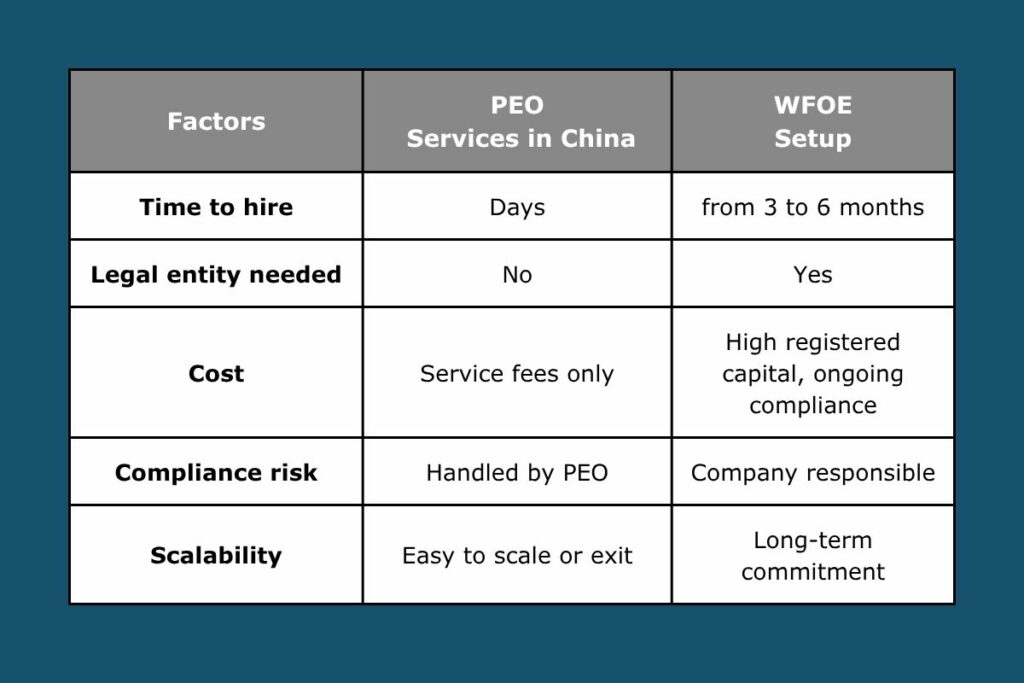
Comparison between PEO (Professional Employer Organization) and WFOE (Wholly Foreign-Owned Enterprise) in China.

Comparison between PEO/EOR and WFOE (Wholly Foreign-Owned Enterprise) in China.

4. Legal Environment for PEO Services in China (2026 Update)

China’s labor market is heavily regulated, and foreign companies must follow the same laws as local employers. PEOs step in as the legal buffer to ensure compliance.

  • Employment contracts. Every employee in China must have a written labor contract in Mandarin. Contracts must specify job roles, working hours, wages, benefits, and termination clauses. PEOs prepare these contracts according to Chinese law, protecting foreign companies from non-compliance fines.
  • Social insurance and housing fund (5+1 model). Employers must contribute to the “five insurances and one housing fund” which are pension, medical, unemployment, work injury, maternity, and housing fund. Contribution rates vary by city. For instance, in Shanghai, employers pay around 27% of salary, while employees contribute ~11%. PEOs manage these payments accurately, avoiding penalties and ensuring employees receive their benefits.
  • Probation and termination rules. Probation periods are capped based on contract length, ranging from one to six months. Termination without proper cause requires severance pay. Mishandling termination is one of the most common risks for foreign firms, and PEOs reduce this risk by following the correct procedures.
  • Expat employment rules. Hiring foreigners in China requires work permits, Z visas, and residence permits. PEOs can handle these processes, ensuring documents meet requirements and reducing visa rejection risks.
  • Legal updates. Crackdowns in Beijing and Shanghai on the misuse of labor dispatch agencies. Stricter enforcement of social insurance for foreign workers, unless exempted by bilateral agreements. More digitalized labor administration systems, requiring timely online filings.

To sum up, these updates make it more difficult for foreign companies to hire directly without expertise, further reinforcing the value of EOR/PEO services in China.

5. EOR/PEO vs. Setting Up a WFOE in China

Foreign firms often compare PEO with setting up a Wholly Foreign-Owned Enterprise (WFOE). Both allow hiring, but the processes differ greatly.

Factors EOR/PEO in China WFOE Setup
Time to hire Days 3 – 6 months
Legal entity needed No Yes
Cost Service fees only High registered capital, ongoing compliance
Compliance risk Handled by PEO/EOR Company responsible
Scalability Easy to scale or exit Long-term commitment


Therefore, for companies testing the market, PEO/EOR is a flexible first step. WFOEs are better for firms planning long-term, large-scale operations.

6. Payroll and HR Compliance Under China EOR Services

Payroll in China is more complex than in many Western countries. PEO/EOR payroll services ensure compliance with:

  • Personal income tax (PIT). Progressive rates up to 45%, with monthly withholding.
  • Social insurance and housing fund contributions.
  • Reporting deadlines. Company must file with the local tax bureaus each month.
  • Payroll cycle. Usually monthly, with strict deadlines.

Failure to comply can lead to fines or blocked work permits. Using a PEO payroll service reduces administrative burdens while guaranteeing employees are paid accurately and on time.

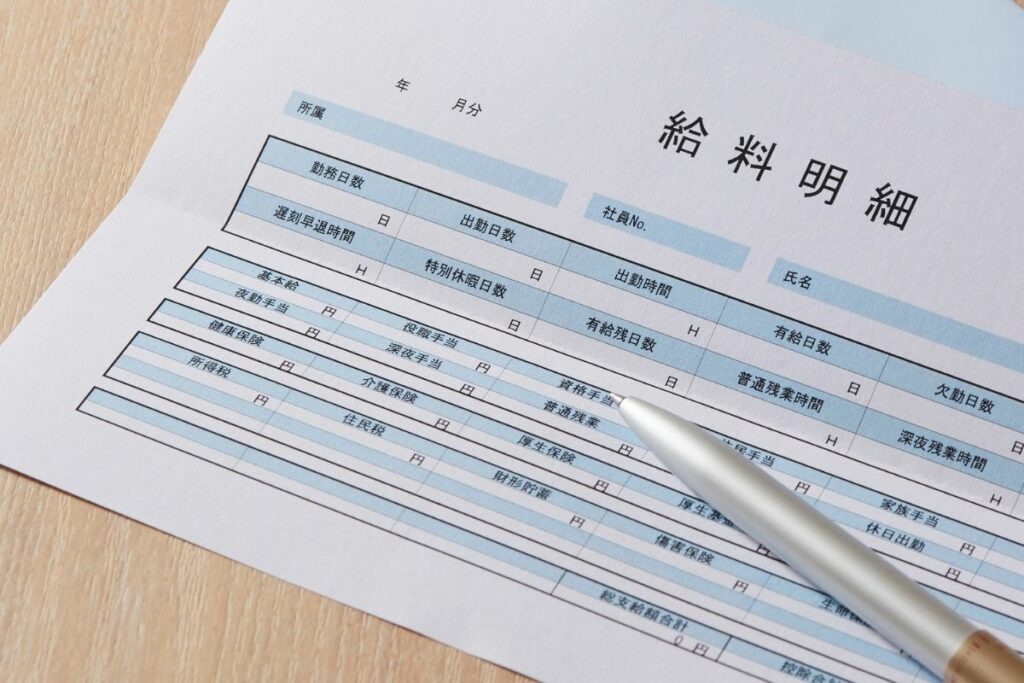
Payroll in China is more complex than in many Western countries.

Payroll in China is more complex than in many Western countries.

7. How to Choose the Best PEO Services in China

Selecting the right PEO partner is essential, as your compliance, payroll accuracy, and even employee trust will depend on it. The wrong choice can lead to fines, disputes, or talent loss. Below are key factors for your evaluation:

  • Licensing and compliance track record.

Not every PEO in China is licensed to operate legally. You always verify that the provider holds valid licenses for HR outsourcing, payroll services, and labor dispatch, where applicable. Also, you should ask for proof of compliance and check whether the provider has faced any disputes with local authorities. A strong track record ensures you won’t risk penalties.

  • Experience with foreign SMEs and multinationals.

A PEO that has worked with both small businesses and large corporations understands different hiring needs. SMEs often require flexibility and cost efficiency, while MNCs demand scalability and strict compliance. Look for case studies or testimonials from companies similar to yours, especially in your industry.

  • Transparent fees without hidden charges.

Some providers charge low upfront fees but add hidden costs for visa applications, tax filings, or sudden contract terminations. You should request a full pricing sheet that covers payroll, benefits, onboarding, and offboarding. Clear pricing builds trust and helps you budget accurately.

  • Knowledge of local labor laws.

Chinese labor law is detailed and enforced differently across provinces. A good PEO should not only know the national laws but also local variations in minimum wage, social insurance rates, and housing fund contributions. Providers should also update you about regulatory changes that may affect your employees.

  • Ability to handle expat visas and cross-border payroll.

If you plan to hire foreign experts in China, the PEO must manage work permits, residence permits, and renewals smoothly. Delays can interrupt operations and frustrate employees. For regional companies, the PEO should also provide cross-border payroll support, ensuring compliance when staff split time between China and ASEAN hubs under a China+1 expansion model.

  • Cultural and HR expertise

Beyond compliance, a strong PEO understands workplace culture in China. This includes handling sensitive resignations, providing guidance on bonuses, and supporting employee retention strategies. Providers with bilingual HR staff can bridge communication gaps between foreign managers and local employees.


Read more related articles


8. Conclusion

Hiring employees in China is complex, but PEO/EOR services in China simplify the process. They provide a legal employer framework, manage payroll and benefits, and ensure compliance with labor laws. Compared to setting up a WFOE, PEO services are faster, cheaper, and less risky, making them ideal for SMEs and firms testing the Chinese market. However, choosing the right partner is critical. A reliable PEO not only manages compliance but also builds trust with employees, supporting long-term success.

📩 If you want to hire employees in China without setting up a local entity, VVR RH offers expert PEO and/or EOR solutions for foreign companies in China. Contact us today to explore how we can help you expand with confidence.

Share your project with us via contact@vvrinternational.com.

CONTACT US

FAQ

  • What are the main HR challenges in China that outsourcing helps foreign companies solve?

The main HR challenges in China include compliance with labor contract law, managing payroll across different cities, handling social insurance and housing fund contributions, and navigating work permit requirements for foreign employees.

HR outsourcing for foreign companies in China addresses these issues by providing local expertise, payroll outsourcing services, contract management under mutual agreement rules, and support for work permits. This allows companies to operate smoothly while minimizing legal and operational risks.

  • How do HR outsourcing services in China support strategic HR management and long-term growth?

HR outsourcing services in China support strategic HR management, aligning with modern HR practices in China, including digital HR solutions, employee retention strategies, and ESG-focused HR policies. By outsourcing HR functions, companies gain access to market insights, salary benchmarks, and compliance monitoring, enabling them to build sustainable teams in China while adapting to workforce trends and long-term business objectives.

Related Posts

Read More
Human Resources in China: Common Recruiting Mistakes to Avoid and What to Do Instead

Human Resources in China: Common Recruiting Mistakes to Avoid and What to Do Instead

1. Introduction

China is one of the world’s most attractive destinations for international business, yet it is also one of the most complex when it comes to its people. For global companies, managing human resources in China requires a new mindset: a mix of cultural awareness, legal precision, and adaptive leadership. Unlike in Western markets, success in recruiting in China doesn’t simply come from offering good pay. It stems from understanding what motivates Chinese professionals, how trust is established, and why speed, clarity, and respect influence every hiring decision. In this article, we, VVR HR, explore the main aspects of human resources in China, including how to attract, hire, and retain top talent in China, while avoiding the costly mistakes many foreign companies make. 

2. Understanding the Chinese Job Market

Before posting your first job ad, it’s important to understand how the Chinese employment landscape differs from Western markets, both culturally and structurally. 

A massive workforce and a growing talent gap 

China’s labor market remains one of the largest on Earth, with over 770 million active workers according to the National Bureau of Statistics. Yet employers often face talent shortages, especially in specialized sectors like engineering, AI, green energy, and logistics. In 2025, average urban wages grew by more than 6% year-on-year, reflecting rising expectations among skilled employees. This means that human resources in China must focus not only on hiring, but also on retaining valuable professionals through development, benefits, and culture. While entry-level recruitment remains abundant, mid-level management and technical roles are becoming more competitive, pushing companies to enhance training and succession planning.

Cultural context: Hierarchy, respect, and harmony 

The Chinese professional environment still values hierarchy and collective harmony. Employees appreciate structure and clarity in reporting lines. For example, during interviews, modesty is a sign of respect rather than weakness. A candidate who avoids self-promotion may still be extremely competent, just more reserved. For foreign HR leaders, understanding this nuance is essential. It’s part of what defines successful human resource practices in China. For instance: 

  • Asking candidates to “describe how your team achieved success” feels more natural than “what did you accomplish?” 
  • Managers are expected to lead by example, balancing authority with empathy. 
  • Public recognition of achievements motivates staff, but private criticism preserves face and respect. 

These subtleties might seem minor, but they deeply influence trust, engagement, and retention.

Guanxi: The invisible engine of China’s HR ecosystem 

Guanxi (关系) refers to the web of personal and professional connections built through trust and reciprocity. In China human resources, guanxi remains an invaluable asset. Many quality hires still come through referrals rather than job boards.

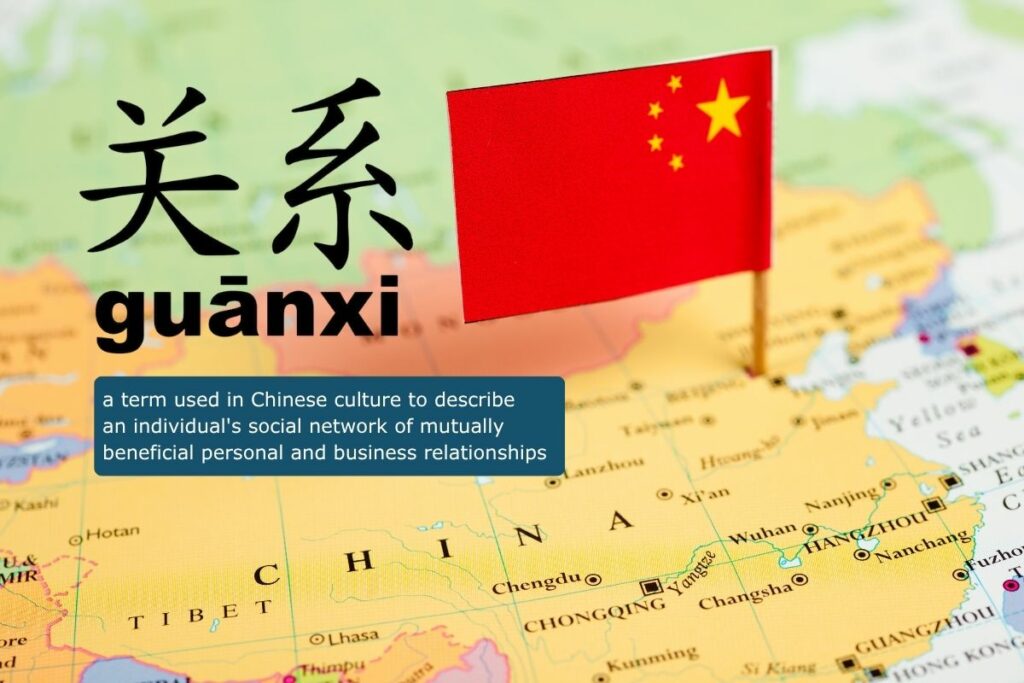
Guanxi refers to the web of personal and professional connections built through trust and reciprocity.

Guanxi refers to the web of personal and professional connections built through trust and reciprocity.

Foreign companies often underestimate this soft power. Building guanxi takes time: attending industry events, supporting local initiatives, or collaborating with universities can open doors that standard recruitment channels cannot. Moreover, maintaining good relationships with current employees enhances your employer reputation — an important aspect of human resource management in China that drives word-of-mouth recruitment. 

Human Resources in China: Regional diversity and mobility 

China is not a single market. The country has regional diversity, including: 

  • Tier-1 cities (Shanghai, Beijing, Shenzhen, Guangzhou) offer deep talent pools but also the highest salary competition. 
  • Tier-2 cities (Chengdu, Suzhou, Nanjing, Wuhan) balance affordability with strong universities and rising professional populations. 
  • Tier-3 manufacturing hubs attract younger workers but require more investment in onboarding and training. 

As mobility increases, many professionals prefer employers offering hybrid work or rotational assignments. Flexible policies, when aligned with compliance, make companies more attractive, a growing trend in human resources management in China post-pandemic. Besides, employers are expected to provide not only fair compensation but also career developmenttraining opportunities, and a clear sense of purpose, all of which strongly influence candidate decisions. 

3. Common Mistakes Foreign Companies Make (and What tDInstead)

Many companies enter China with enthusiasm, but without adapting their hiring practices to local realities. Here are the most common pitfalls to avoid. 

Translating job descriptions without localization 

Literal translation often results in confusion or misalignment. A job posting written for Europe or the U.S. might not fit Chinese expectations of seniority or reward. In fact, titles, benefits, and role expectations may not align with local norms. For instance, what’s considered a “Manager” in Europe may be viewed as a mid-level position in China. Or a “Business Development Executive” role might sound junior in China, while “Sales Manager” communicates clearer responsibility. Likewise, benefits such as social insurance, annual bonus, and housing allowances are not perks; they are norms. HR Tips: Write the job description in Mandarin first. Specify clear KPIs, include benefits transparently, and describe the company’s local presence. This ensures your recruitment in China resonates with both language and mindset.

A job posting written for Europe or the U.S. might not fit Chinese expectations of seniority or reward.

A job posting written for Europe or the U.S. might not fit Chinese expectations of seniority or reward.


Underestimating employer branding 

Today’s candidates check everything, from your WeChat account to employee reviews. Without localized visibility, your company can appear transient or unreliable. Candidates regularly check company profiles on MaimaiWeChat, and major job portals such as ZhaopinLiepin, or 51Job before applying. If they can’t find credible local information about your company, they may question its stability or long-term presence. HR Tip: Create Chinese-language pages and updates. Post about your team, community engagement, or partnerships. Maintain a responsive WeChat Official Account. A consistent local narrative builds trust and strengthens human resources management in China. 

Delays and unclear job offers 

One of the biggest cultural mismatches is timing. Chinese candidates expect clarity and speed in communication. Prolonged approval cycles, incomplete offer details, or inconsistent communication are among the main reasons candidates reject offers. Indeed, silence after interviews can be discouraging for candidates. HR Tip: Provide a structured one-pager (role details, compensation overview, benefits, key conditions) and prioritize transparent, timely communication at each stage. Even when a process needs more time, clarity and consistency help maintain engagement and trust. 

Ignoring compliance and labor law 

China’s labor regulations are detailed and vary between cities. Mistakes such as exceeding legal probation periods, skipping mandatory benefits, or using generic foreign contracts can lead to disputes or penalties. 

  • Written contracts are mandatory and must include job title, location, term, and benefits. 
  • Probation periods are capped based on contract length (e.g., 1 month for contracts under a year, up to 6 months for long-term contracts). 
  • Social contributions (known as the “Five Insurances and One Housing Fund”) must be paid for every employee, with rates that differ by region. 

HR Tip: Always prepare bilingual contracts, following national and city-specific regulations. Keep a record of all signed documents and onboarding procedures. Or you can work with local HR experts or a PEO provider who understands the latest legal updates and ensures full compliance from day one. 

Using a single recruitment channel 

Focusing only on one hiring source, such as LinkedIn or Western job boards, is a common and costly mistake. In fact, LinkedIn’s audience in China is small. Chinese professionals rely heavily on domestic platforms and personal referrals. They use Zhaopin, 51Job, Liepin, and Boss Zhipin, while Maimai functions as a business social network. Therefore, relying on one platform reduces diversity in applications. HR Tip: Use a multi-channel approach: from posting on local job portals, engaging on social media, attending networking events, building referral programs, to mixing job boards with headhunters. 

Overlooking onboarding and training 

Hiring is only the first step. Retaining your talent requires consistent follow-up and professional development. Many employees leave within their first year if they feel disconnected or undervalued. HR Tip: Design a clear 30–60–90 day onboarding plan, offer training on company tools and culture, and ensure regular manager check-ins. Strong onboarding is one of the most impactful human resources practices in China, directly reducing early turnover. 

4. How to Succeed in Recruiting in China

Once you understand the challenges, the next step is to design a recruitment strategy tailored to local realities, ensuring consistency, adaptability, and long-term thinking. Here is how to build robust strategies for human resources in China. 

Collaborating with local specialists 

Partnering with a local HR or PEO expert is the most efficient way to navigate legal, cultural, and operational complexities. At VVR International, our VVR HR helps foreign companies understand local law systemsdiploma structures, salary benchmarks, and industry-specific expectations. With a local partner, you can identify qualified candidates faster and avoid costly hiring mistakes. For foreign companies entering the Chinese market, the hybrid model of human resources management, like EOR/PEO in China, reduces risk and accelerates setup.

Partnering with a local HR or PEO expert is the most efficient way to navigate legal, cultural, and operational complexities.

Partnering with a local HR or PEO expert is the most efficient way to navigate legal, cultural, and operational complexities.

Investing in employee development 

Training and career progression are among the top factors influencing job satisfaction in China. Offering learning opportunities, even small-scale internal programs, helps build loyalty and reduces turnover. Regular feedback and mentorship show that your company values long-term growth, not just short-term performance. HR TipIntroduce quarterly workshops, mentorship programs, and internal promotions. Link training outcomes to recognition and measurable growth. Such investment nurtures loyalty and strengthens your human resource practices in China. 

Design structured, transparent recruitment processes 

An organized recruitment flow conveys professionalism. Here is our recommended model for your reference: 

  • Job definition and salary validation 
  • Mandarin-language posting 
  • Screening and shortlisting within 7–10 days 
  • Two interview rounds: HR fit and technical 
  • Reference check (often informal via guanxi) 
  • Offer issuance within 3 days 

Consistency and clarity build trust both internally and externally, hallmarks of strong China human resources operations 

Negotiate with cultural awareness 

Negotiation in China is not just about numbers. It’s about balance and sincerity. Candidates may discuss job title, growth path, or even working location before confirming. How you communicate matters as much as what you offer. Be consistent in your messaging, transparent about compensation, and respectful of the decision-making process. HR TipBe flexible but transparent. Explain how social insurance, taxes, and bonuses affect net pay. Avoid abrupt changes or delayed responses, stability and predictability are highly valued in recruiting in China. 

Cultivate company culture with local flavor 

Global companies often bring a strong culture, but local adaptation matters. Chinese employees value leaders who are visible, empathetic, and decisive. Cultural exchange, bilingual communication, and community-building activities help bridge global and local mindsets. HR Tip: Encourage team lunches, celebrate Chinese holidays, and highlight shared achievements publicly. A strong local identity within a global framework fosters pride and belonging across your China human resources network.


Read more related articles


5. Look Ahead: Enter the Chinese Market with Confidence

To sum up, recruiting in China is not about replicating your home-country methods; it’s about adapting and evolving. Understanding local culture, complying with labor laws, and investing in relationships will shape your long-term success far more than short-term cost savings. At VVR Internationalwe help foreign companies hire and manage teams in China with confidence. From recruitment strategy and compliance to payroll and employee management, our local experts simplify complexity, so you can focus on growth. 

Reach out to our HR experts to discuss your recruitment or compliance project. Together, we’ll turn China’s complexity into your competitive advantage. 

Share your project with us via contact@vvrinternational.com.

CONTACT US

FAQ

  • What are the main HR challenges in China that outsourcing helps foreign companies solve?

The main HR challenges in China include compliance with labor contract law, managing payroll across different cities, handling social insurance and housing fund contributions, and navigating work permit requirements for foreign employees.

HR outsourcing for foreign companies in China addresses these issues by providing local expertise, payroll outsourcing services, contract management under mutual agreement rules, and support for work permits. This allows companies to operate smoothly while minimizing legal and operational risks.

  • How do HR outsourcing services in China support strategic HR management and long-term growth?

HR outsourcing services in China support strategic HR management, aligning with modern HR practices in China, including digital HR solutions, employee retention strategies, and ESG-focused HR policies. By outsourcing HR functions, companies gain access to market insights, salary benchmarks, and compliance monitoring, enabling them to build sustainable teams in China while adapting to workforce trends and long-term business objectives.

Related Posts

Read More