Human Resources in China: Common Recruiting Mistakes to Avoid and What to Do Instead
1. Introduction
China is one of the world’s most attractive destinations for international business, yet it is also one of the most complex when it comes to its people. For global companies, managing human resources in China requires a new mindset: a mix of cultural awareness, legal precision, and adaptive leadership. Unlike in Western markets, success in recruiting in China doesn’t simply come from offering good pay. It stems from understanding what motivates Chinese professionals, how trust is established, and why speed, clarity, and respect influence every hiring decision. In this article, we, VVR HR, explore the main aspects of human resources in China, including how to attract, hire, and retain top talent in China, while avoiding the costly mistakes many foreign companies make.
2. Understanding the Chinese Job Market
Before posting your first job ad, it’s important to understand how the Chinese employment landscape differs from Western markets, both culturally and structurally.
A massive workforce and a growing talent gap
China’s labor market remains one of the largest on Earth, with over 770 million active workers according to the National Bureau of Statistics. Yet employers often face talent shortages, especially in specialized sectors like engineering, AI, green energy, and logistics. In 2025, average urban wages grew by more than 6% year-on-year, reflecting rising expectations among skilled employees. This means that human resources in China must focus not only on hiring, but also on retaining valuable professionals through development, benefits, and culture. While entry-level recruitment remains abundant, mid-level management and technical roles are becoming more competitive, pushing companies to enhance training and succession planning.
Cultural context: Hierarchy, respect, and harmony
The Chinese professional environment still values hierarchy and collective harmony. Employees appreciate structure and clarity in reporting lines. For example, during interviews, modesty is a sign of respect rather than weakness. A candidate who avoids self-promotion may still be extremely competent, just more reserved. For foreign HR leaders, understanding this nuance is essential. It’s part of what defines successful human resource practices in China. For instance:
- Asking candidates to “describe how your team achieved success” feels more natural than “what did you accomplish?”
- Managers are expected to lead by example, balancing authority with empathy.
- Public recognition of achievements motivates staff, but private criticism preserves face and respect.
These subtleties might seem minor, but they deeply influence trust, engagement, and retention.
Guanxi: The invisible engine of China’s HR ecosystem
Guanxi (关系) refers to the web of personal and professional connections built through trust and reciprocity. In China human resources, guanxi remains an invaluable asset. Many quality hires still come through referrals rather than job boards.
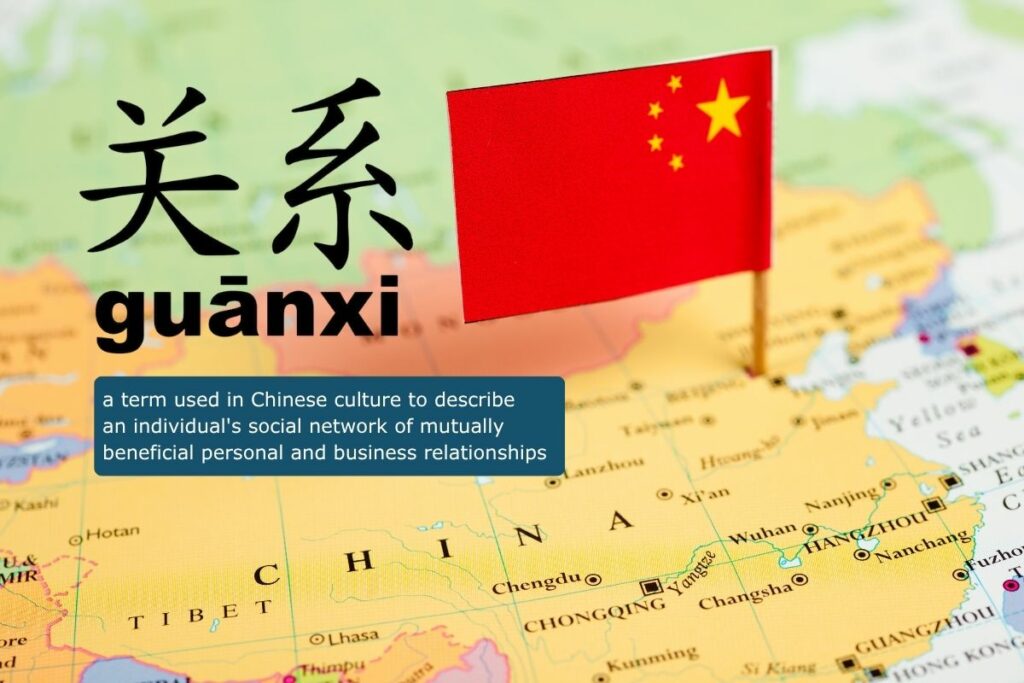
Guanxi refers to the web of personal and professional connections built through trust and reciprocity.
Foreign companies often underestimate this soft power. Building guanxi takes time: attending industry events, supporting local initiatives, or collaborating with universities can open doors that standard recruitment channels cannot. Moreover, maintaining good relationships with current employees enhances your employer reputation — an important aspect of human resource management in China that drives word-of-mouth recruitment.
Human Resources in China: Regional diversity and mobility
China is not a single market. The country has regional diversity, including:
- Tier-1 cities (Shanghai, Beijing, Shenzhen, Guangzhou) offer deep talent pools but also the highest salary competition.
- Tier-2 cities (Chengdu, Suzhou, Nanjing, Wuhan) balance affordability with strong universities and rising professional populations.
- Tier-3 manufacturing hubs attract younger workers but require more investment in onboarding and training.
As mobility increases, many professionals prefer employers offering hybrid work or rotational assignments. Flexible policies, when aligned with compliance, make companies more attractive, a growing trend in human resources management in China post-pandemic. Besides, employers are expected to provide not only fair compensation but also career development, training opportunities, and a clear sense of purpose, all of which strongly influence candidate decisions.
3. Common Mistakes Foreign Companies Make (and What to Do Instead)
Many companies enter China with enthusiasm, but without adapting their hiring practices to local realities. Here are the most common pitfalls to avoid.
Translating job descriptions without localization
Literal translation often results in confusion or misalignment. A job posting written for Europe or the U.S. might not fit Chinese expectations of seniority or reward. In fact, titles, benefits, and role expectations may not align with local norms. For instance, what’s considered a “Manager” in Europe may be viewed as a mid-level position in China. Or a “Business Development Executive” role might sound junior in China, while “Sales Manager” communicates clearer responsibility. Likewise, benefits such as social insurance, annual bonus, and housing allowances are not perks; they are norms. HR Tips: Write the job description in Mandarin first. Specify clear KPIs, include benefits transparently, and describe the company’s local presence. This ensures your recruitment in China resonates with both language and mindset.

A job posting written for Europe or the U.S. might not fit Chinese expectations of seniority or reward.
Underestimating employer branding
Today’s candidates check everything, from your WeChat account to employee reviews. Without localized visibility, your company can appear transient or unreliable. Candidates regularly check company profiles on Maimai, WeChat, and major job portals such as Zhaopin, Liepin, or 51Job before applying. If they can’t find credible local information about your company, they may question its stability or long-term presence. HR Tip: Create Chinese-language pages and updates. Post about your team, community engagement, or partnerships. Maintain a responsive WeChat Official Account. A consistent local narrative builds trust and strengthens human resources management in China.
Delays and unclear job offers
One of the biggest cultural mismatches is timing. Chinese candidates expect clarity and speed in communication. Prolonged approval cycles, incomplete offer details, or inconsistent communication are among the main reasons candidates reject offers. Indeed, silence after interviews can be discouraging for candidates. HR Tip: Provide a structured one-pager (role details, compensation overview, benefits, key conditions) and prioritize transparent, timely communication at each stage. Even when a process needs more time, clarity and consistency help maintain engagement and trust.
Ignoring compliance and labor law
China’s labor regulations are detailed and vary between cities. Mistakes such as exceeding legal probation periods, skipping mandatory benefits, or using generic foreign contracts can lead to disputes or penalties.
- Written contracts are mandatory and must include job title, location, term, and benefits.
- Probation periods are capped based on contract length (e.g., 1 month for contracts under a year, up to 6 months for long-term contracts).
- Social contributions (known as the “Five Insurances and One Housing Fund”) must be paid for every employee, with rates that differ by region.
HR Tip: Always prepare bilingual contracts, following national and city-specific regulations. Keep a record of all signed documents and onboarding procedures. Or you can work with local HR experts or a PEO provider who understands the latest legal updates and ensures full compliance from day one.
Using a single recruitment channel
Focusing only on one hiring source, such as LinkedIn or Western job boards, is a common and costly mistake. In fact, LinkedIn’s audience in China is small. Chinese professionals rely heavily on domestic platforms and personal referrals. They use Zhaopin, 51Job, Liepin, and Boss Zhipin, while Maimai functions as a business social network. Therefore, relying on one platform reduces diversity in applications. HR Tip: Use a multi-channel approach: from posting on local job portals, engaging on social media, attending networking events, building referral programs, to mixing job boards with headhunters.
Overlooking onboarding and training
Hiring is only the first step. Retaining your talent requires consistent follow-up and professional development. Many employees leave within their first year if they feel disconnected or undervalued. HR Tip: Design a clear 30–60–90 day onboarding plan, offer training on company tools and culture, and ensure regular manager check-ins. Strong onboarding is one of the most impactful human resources practices in China, directly reducing early turnover.
4. How to Succeed in Recruiting in China
Once you understand the challenges, the next step is to design a recruitment strategy tailored to local realities, ensuring consistency, adaptability, and long-term thinking. Here is how to build robust strategies for human resources in China.
Collaborating with local specialists
Partnering with a local HR or PEO expert is the most efficient way to navigate legal, cultural, and operational complexities. At VVR International, our VVR HR helps foreign companies understand local law systems, diploma structures, salary benchmarks, and industry-specific expectations. With a local partner, you can identify qualified candidates faster and avoid costly hiring mistakes. For foreign companies entering the Chinese market, the hybrid model of human resources management, like EOR/PEO in China, reduces risk and accelerates setup.
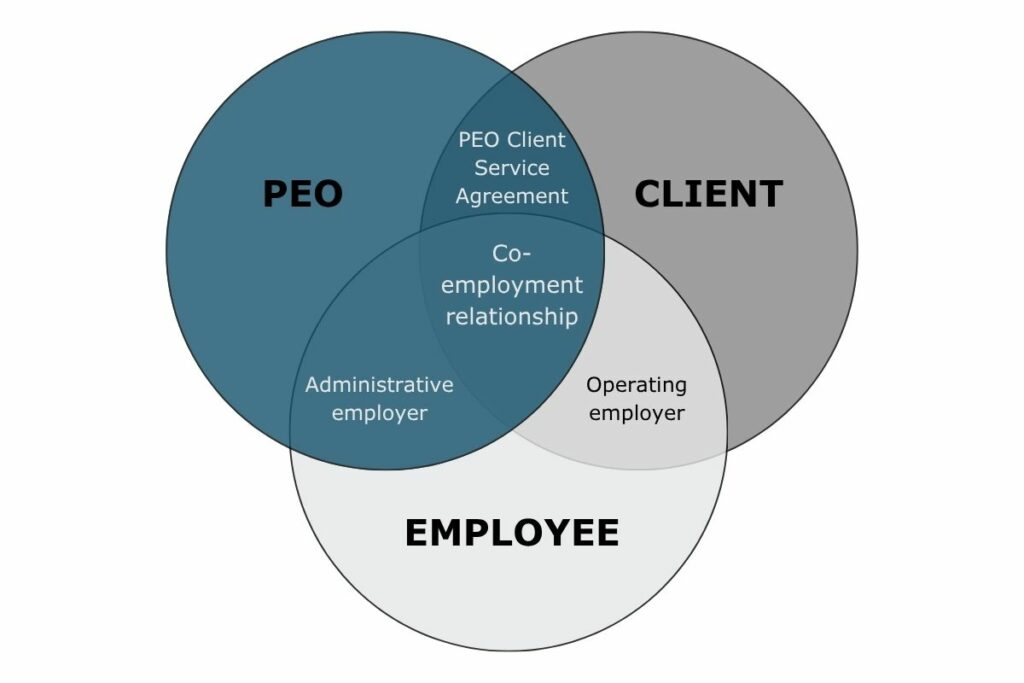
Partnering with a local HR or PEO expert is the most efficient way to navigate legal, cultural, and operational complexities.
Investing in employee development
Training and career progression are among the top factors influencing job satisfaction in China. Offering learning opportunities, even small-scale internal programs, helps build loyalty and reduces turnover. Regular feedback and mentorship show that your company values long-term growth, not just short-term performance. HR Tip: Introduce quarterly workshops, mentorship programs, and internal promotions. Link training outcomes to recognition and measurable growth. Such investment nurtures loyalty and strengthens your human resource practices in China.
Design structured, transparent recruitment processes
An organized recruitment flow conveys professionalism. Here is our recommended model for your reference:
- Job definition and salary validation
- Mandarin-language posting
- Screening and shortlisting within 7–10 days
- Two interview rounds: HR fit and technical
- Reference check (often informal via guanxi)
- Offer issuance within 3 days
Consistency and clarity build trust both internally and externally, hallmarks of strong China human resources operations
Negotiate with cultural awareness
Negotiation in China is not just about numbers. It’s about balance and sincerity. Candidates may discuss job title, growth path, or even working location before confirming. How you communicate matters as much as what you offer. Be consistent in your messaging, transparent about compensation, and respectful of the decision-making process. HR Tip: Be flexible but transparent. Explain how social insurance, taxes, and bonuses affect net pay. Avoid abrupt changes or delayed responses, stability and predictability are highly valued in recruiting in China.
Cultivate company culture with local flavor
Global companies often bring a strong culture, but local adaptation matters. Chinese employees value leaders who are visible, empathetic, and decisive. Cultural exchange, bilingual communication, and community-building activities help bridge global and local mindsets. HR Tip: Encourage team lunches, celebrate Chinese holidays, and highlight shared achievements publicly. A strong local identity within a global framework fosters pride and belonging across your China human resources network.
Read more related articles
5. Look Ahead: Enter the Chinese Market with Confidence
To sum up, recruiting in China is not about replicating your home-country methods; it’s about adapting and evolving. Understanding local culture, complying with labor laws, and investing in relationships will shape your long-term success far more than short-term cost savings. At VVR International, we help foreign companies hire and manage teams in China with confidence. From recruitment strategy and compliance to payroll and employee management, our local experts simplify complexity, so you can focus on growth.
Reach out to our HR experts to discuss your recruitment or compliance project. Together, we’ll turn China’s complexity into your competitive advantage.
FAQ
-
What are the main HR challenges in China that outsourcing helps foreign companies solve?
The main HR challenges in China include compliance with labor contract law, managing payroll across different cities, handling social insurance and housing fund contributions, and navigating work permit requirements for foreign employees.
HR outsourcing for foreign companies in China addresses these issues by providing local expertise, payroll outsourcing services, contract management under mutual agreement rules, and support for work permits. This allows companies to operate smoothly while minimizing legal and operational risks.
-
How do HR outsourcing services in China support strategic HR management and long-term growth?
HR outsourcing services in China support strategic HR management, aligning with modern HR practices in China, including digital HR solutions, employee retention strategies, and ESG-focused HR policies. By outsourcing HR functions, companies gain access to market insights, salary benchmarks, and compliance monitoring, enabling them to build sustainable teams in China while adapting to workforce trends and long-term business objectives.
Related Posts


Shanghai, Chine
7888 Humin Road, Minhang District
+86 21 3422 7164 103
contact@vvrchina.com

Guangzhou, China
Merchants City Home
495 Hanxi East Road,
Panyu District
+86 20 8332 1024
contact@vvrchina.com

Shijiazhuang, China
368 XinShi Bei Road,
Zhenxin Industry District
+86 3118 381 0103
contact@vvrchina.com

Beijing, China
Yard 48 Liangmaqiao Road,
Chaoyang District
contact@vvrinternational.com